
Tobacco
Tobacco is a plant with a long history and a strong presence in cultures around the world. Originating in the American continent, the tobacco plant was cultivated and used long before its introduction to Europe, eventually becoming one of the most important agricultural raw materials on a global scale.


The Tobacco Plant
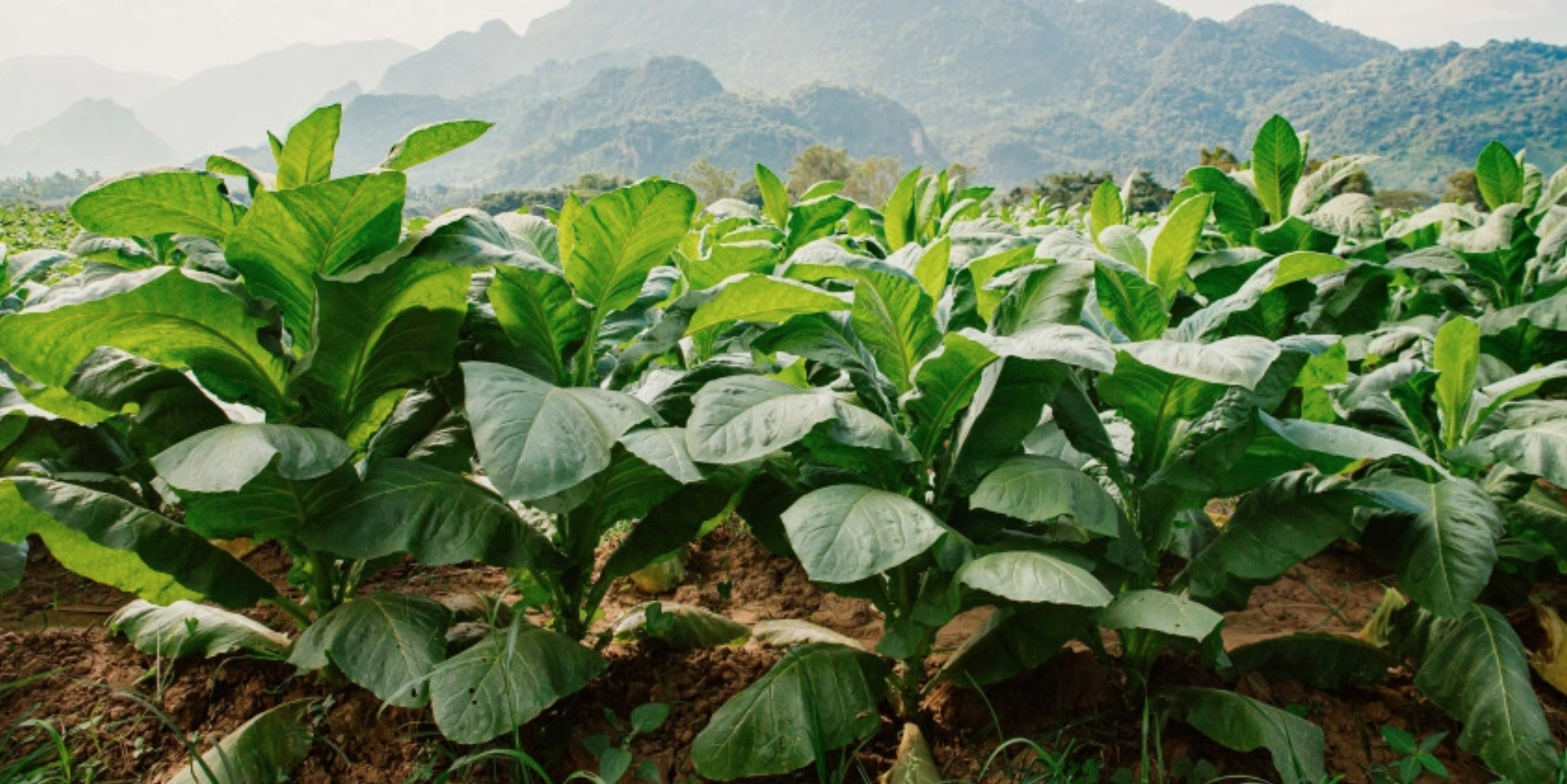
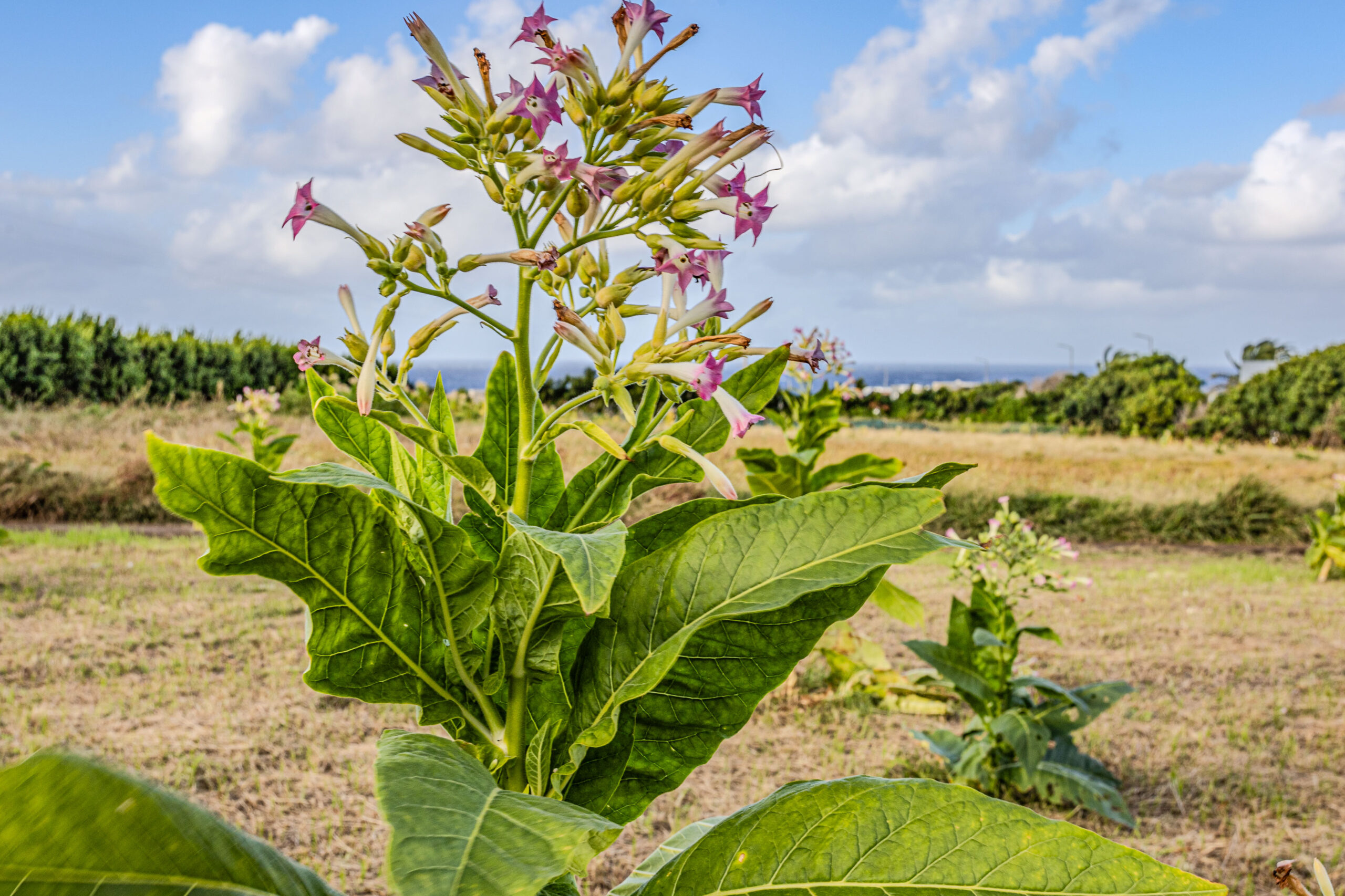
Tobacco belongs to the Nicotiana genus, with Nicotiana tabacum being the most widely cultivated species. It is a herbaceous plant with broad, aromatic leaves, whose value lies mainly in its leaves, harvested at different stages of maturity. The characteristics of the plant vary according to the variety, climate, soil, and cultivation methods.
Cultivation and Producing Regions
Tobacco Cultivated in the Azores
Tobacco cultivation requires specific conditions of soil, temperature, and humidity. Throughout its growth cycle, the plant demands careful attention, from land preparation to the manual harvesting of the leaves.
Today, tobacco is cultivated in many regions of the world, particularly in the Americas, Africa, and Asia. Areas such as South America, Central America, the United States, India, China, and several African countries are renowned for producing tobaccos with distinct characteristics, strongly influenced by their local terroir.
In the Azores, particularly on the island of São Miguel, tobacco cultivation held historical relevance, especially between the 19th and 20th centuries. Benefiting from a mild Atlantic climate, fertile volcanic soils, and traditional agricultural practices, Azorean tobacco developed distinctive characteristics, valued for its smoothness and quality.
Local production was mainly intended to supply regional factories, contributing to the agricultural and industrial economy of the archipelago. For decades, tobacco cultivation represented an important source of income for many families and established a direct link between local agriculture and the Micaelense tobacco industry.
Types of Tobacco and Their Differences
There are several types of tobacco, each with its own properties in terms of aroma, flavor, texture, and combustion. Among the most well-known are:
• Virginia: light, mild, and slightly sweet, usually heat-cured.
• Burley: darker leaves, with a drier flavor and greater capacity to absorb aromas.
• Oriental: small, aromatic leaves, mainly cultivated in Mediterranean regions.
These differences result not only from the plant variety but also from the cultivation, harvesting, and curing methods employed.
Quality and Selection
Tobacco Processing
The quality of tobacco is determined by several factors, including origin, leaf maturity, curing processes, and aging. Careful leaf selection is essential to ensure consistency, balance, and aromatic richness. Quality control accompanies the tobacco throughout its journey, from the field to the final stages of transformation.
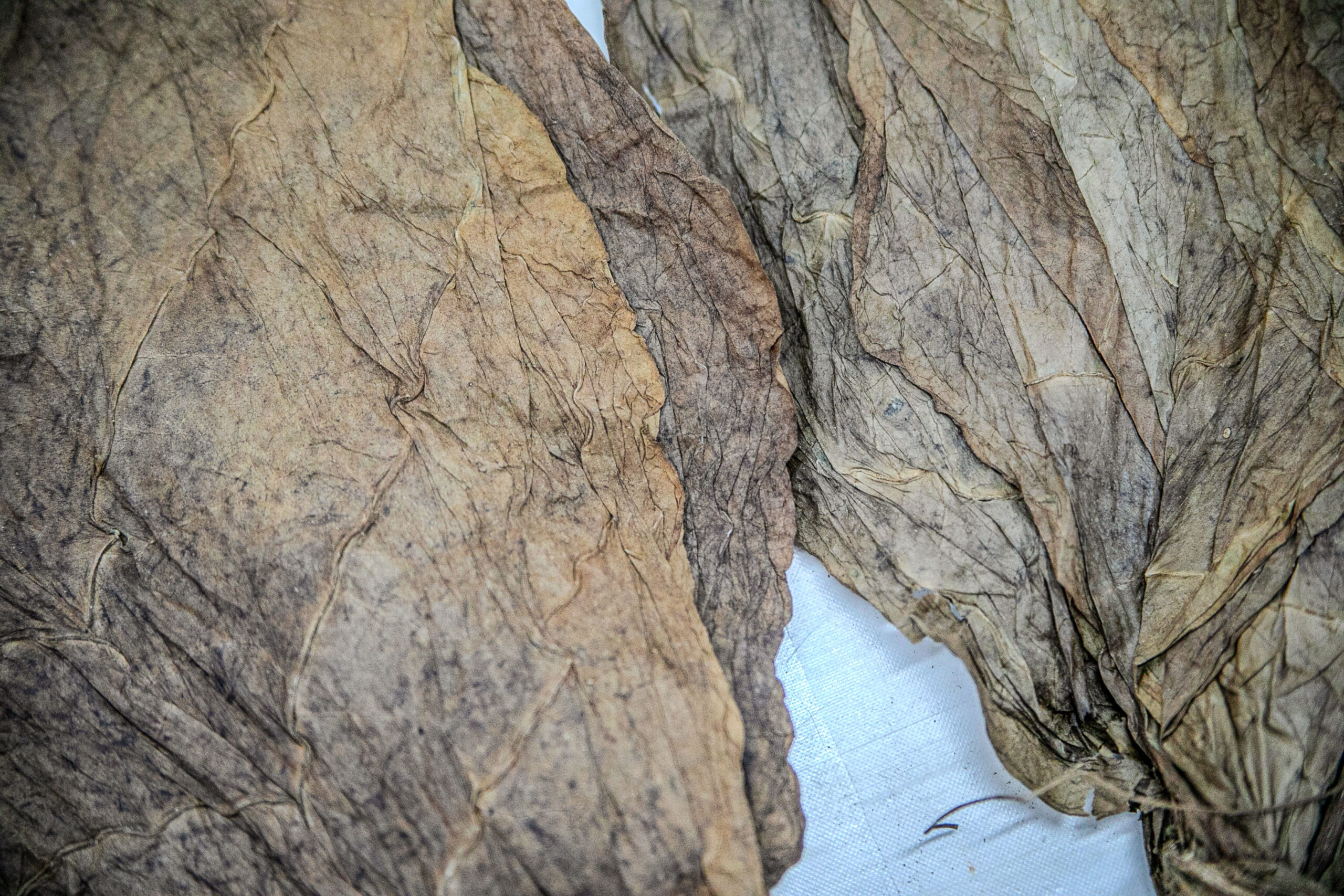
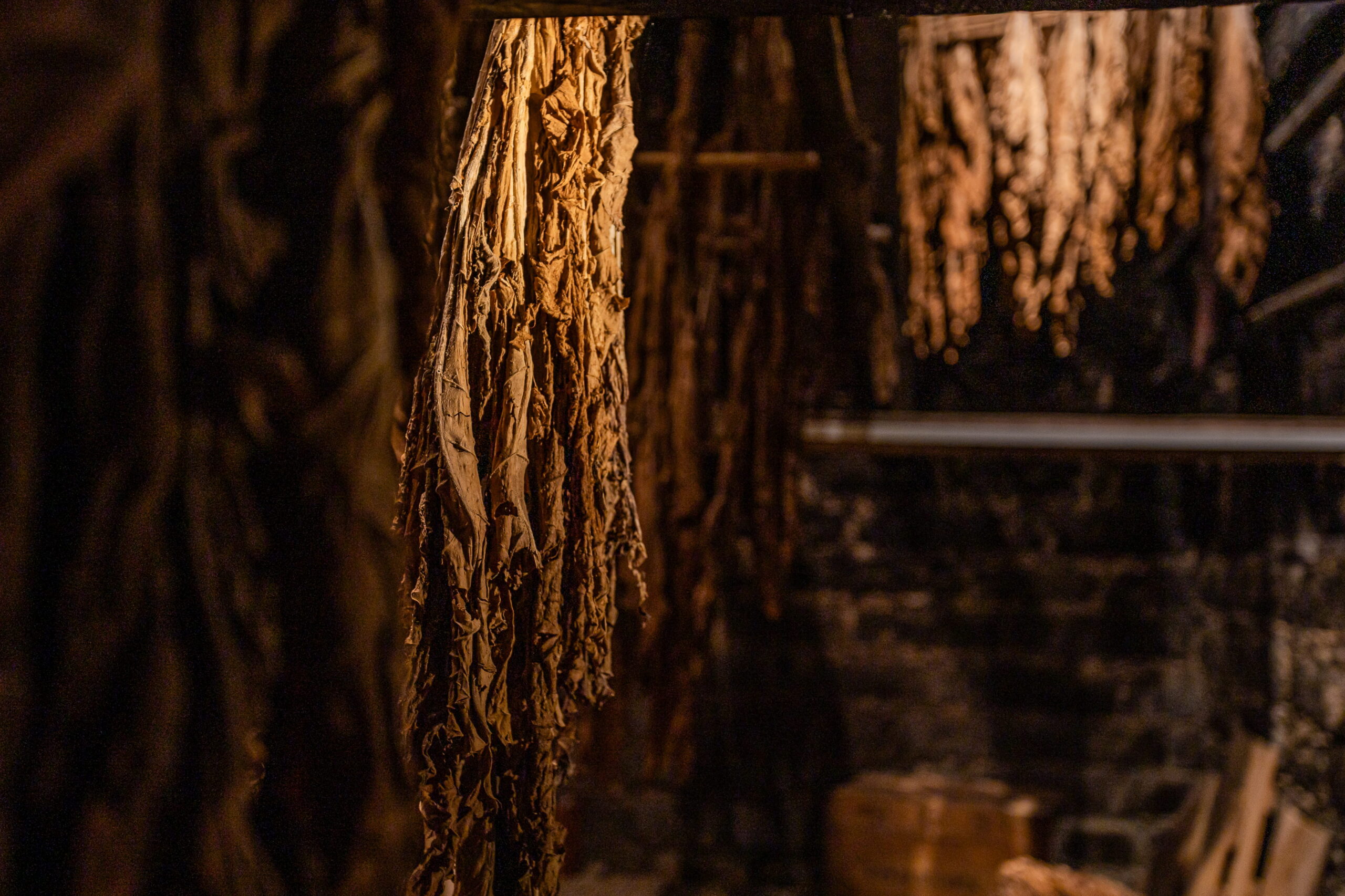
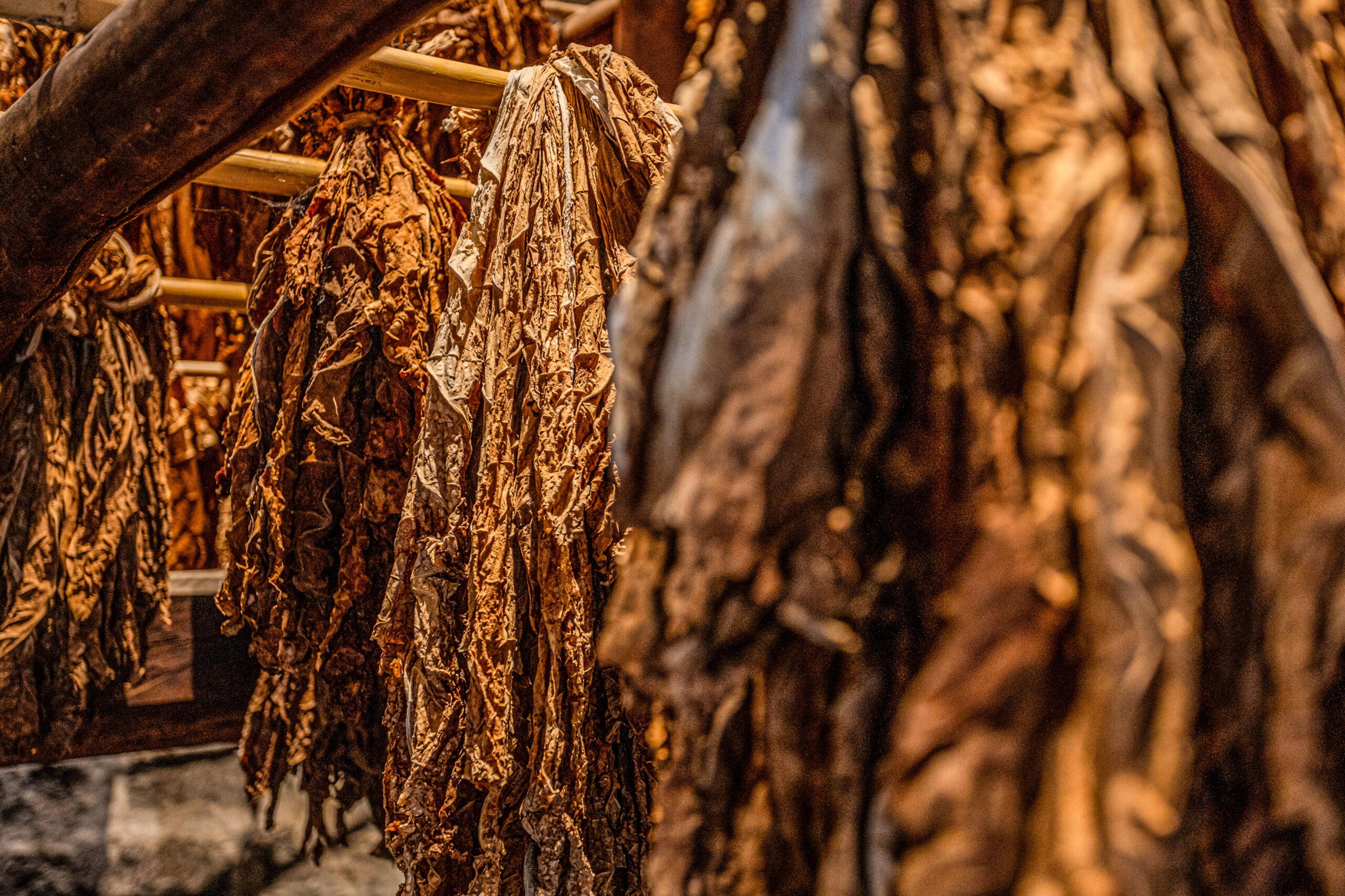
After harvesting, tobacco undergoes essential processes such as curing, fermentation, and aging, which allow aromas to develop and reduce undesirable characteristics in the leaf. Each process is carefully controlled and may vary depending on the type of tobacco and the desired outcome.
Tobacco Blends
Manufacturing Processes
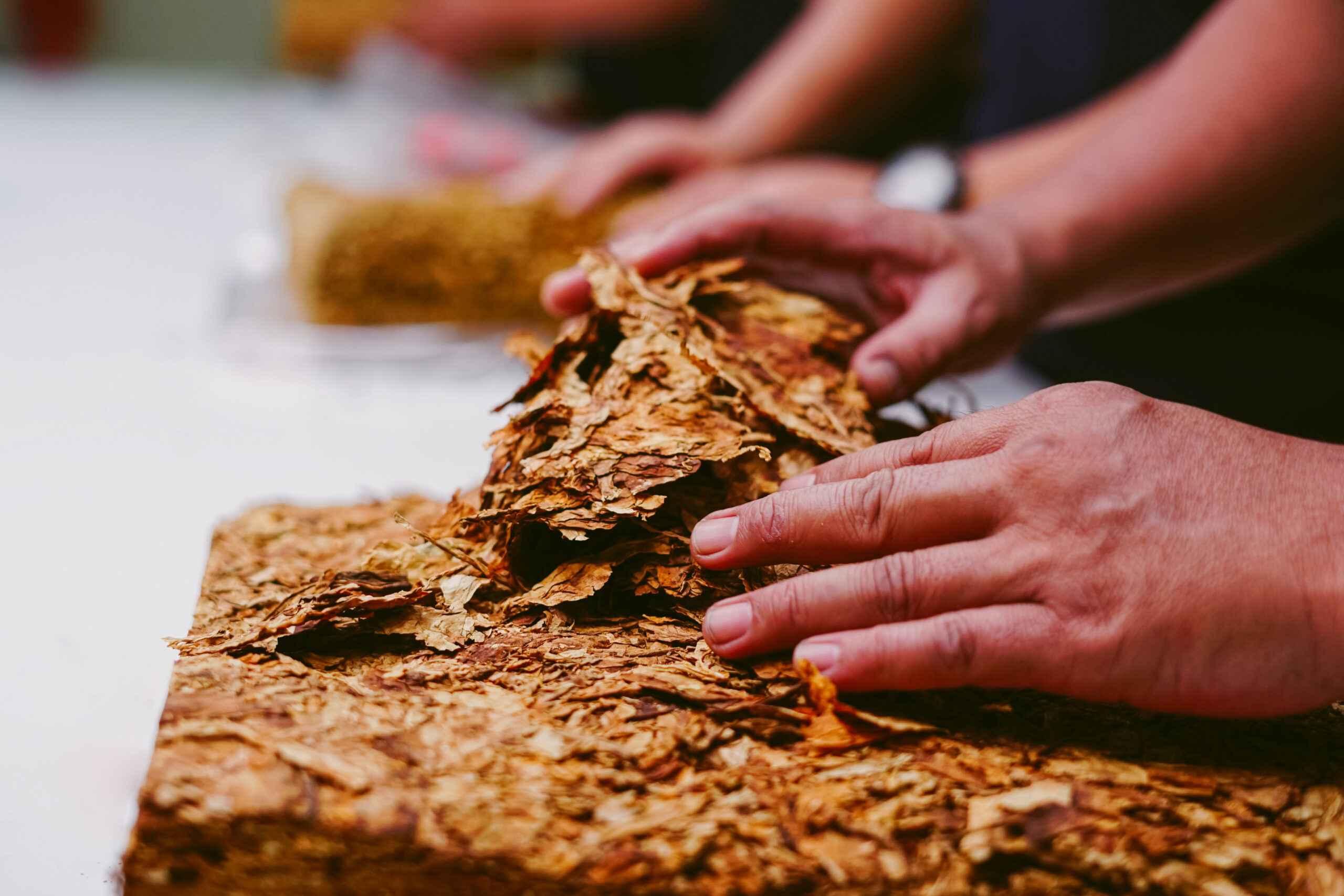
Blending is an art that combines different types and origins of tobacco to achieve specific profiles of flavor, aroma, and intensity. The balance between light and dark leaves, mild and strong tobaccos, allows for harmonious and consistent blends, respecting traditions refined over time.
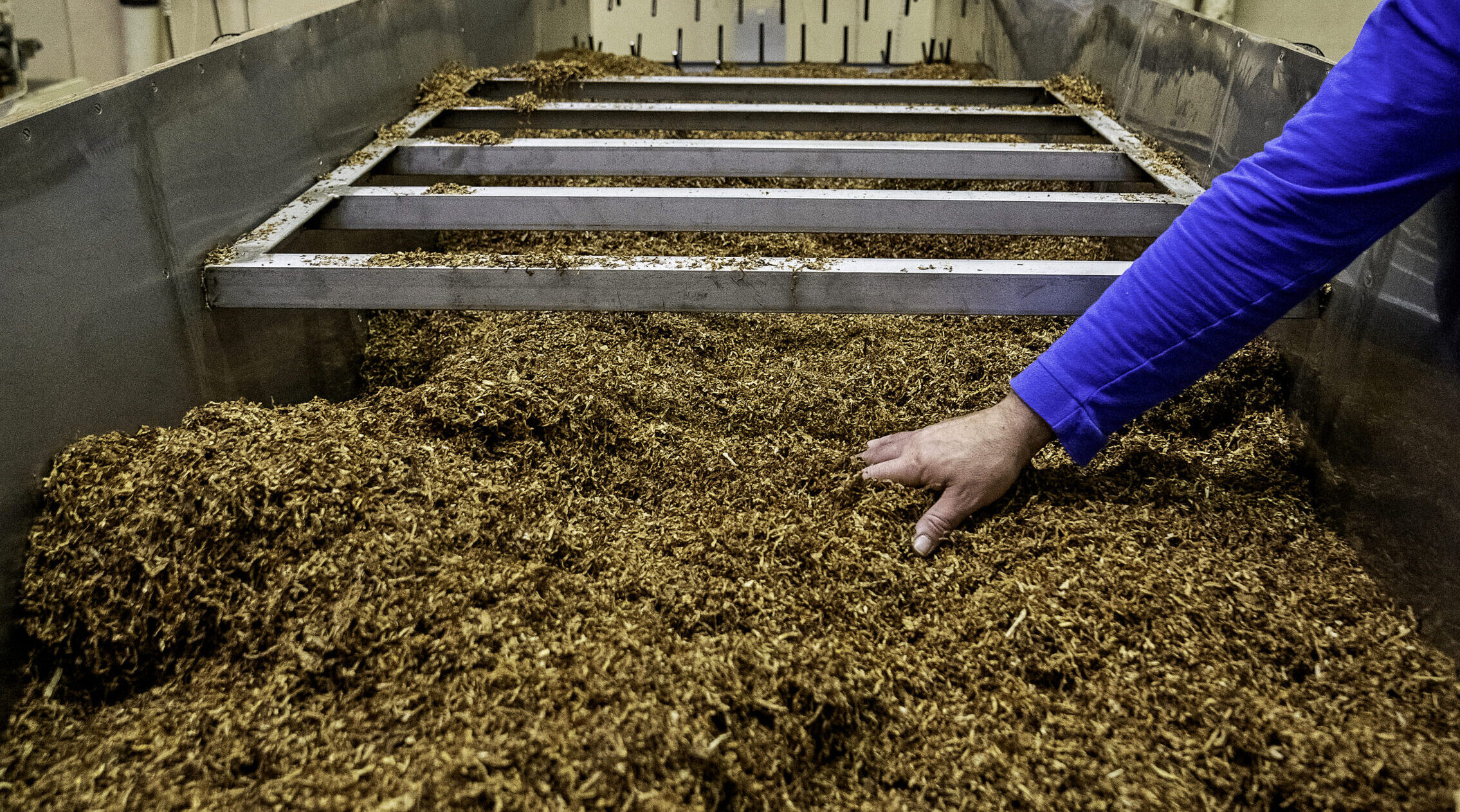
Manufacturing processes involve several stages, from cutting and preparing the leaves to blending and final packaging. Technical precision, combined with knowledge accumulated over generations, ensures that each final product meets high-quality standards, preserving the natural characteristics of the tobacco and the identity of each blend.
