Who
we are
Founded in 1866, the Fábrica de Tabaco Micaelense stands as one of the most significant examples of industrial heritage in the Azores. Established during a period of strong economic growth on the island of São Miguel, the factory accompanied the development of the tobacco industry in the region, early on becoming a reference in tobacco production.
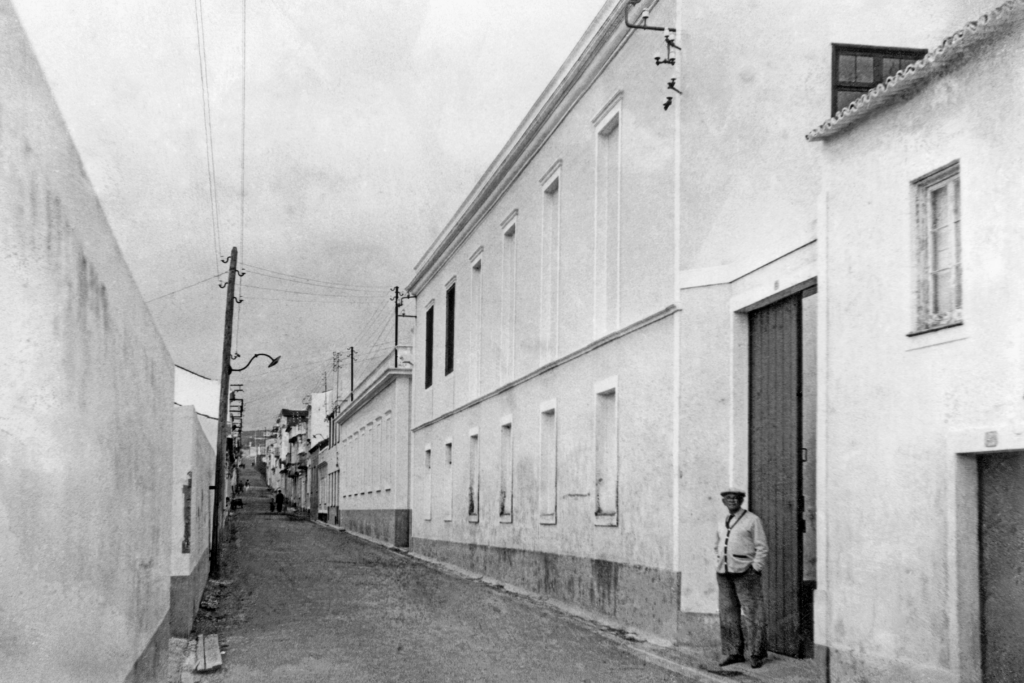
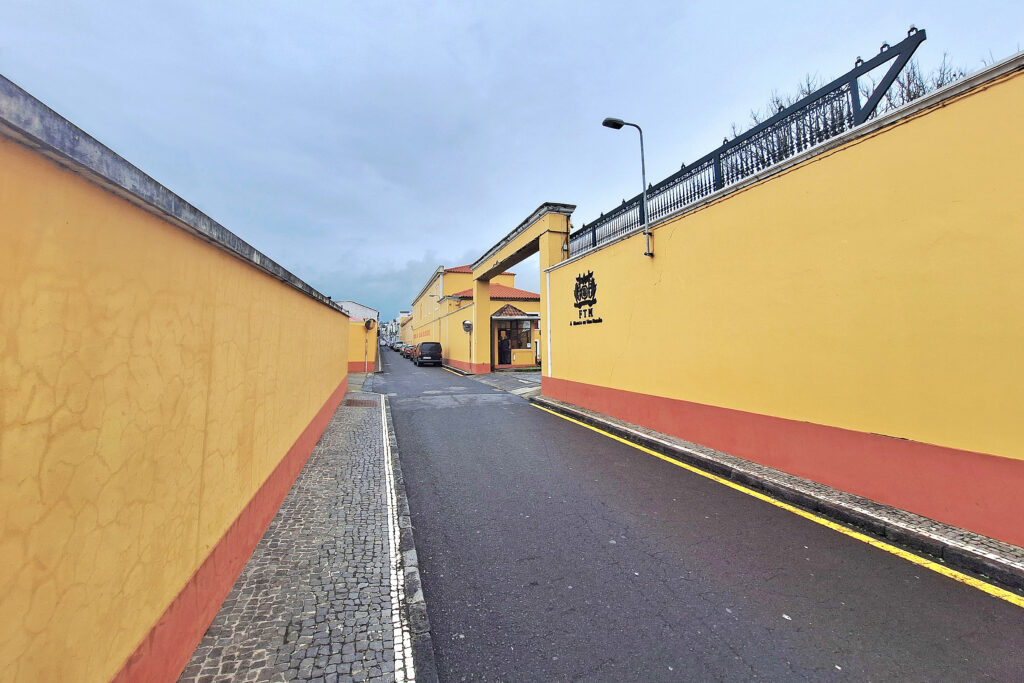
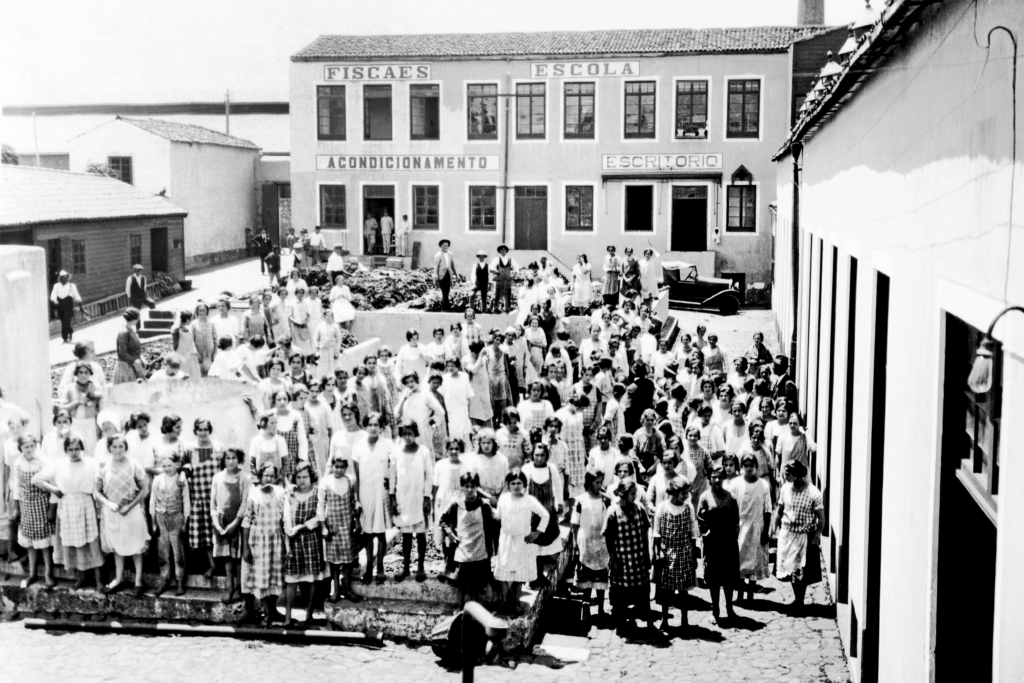
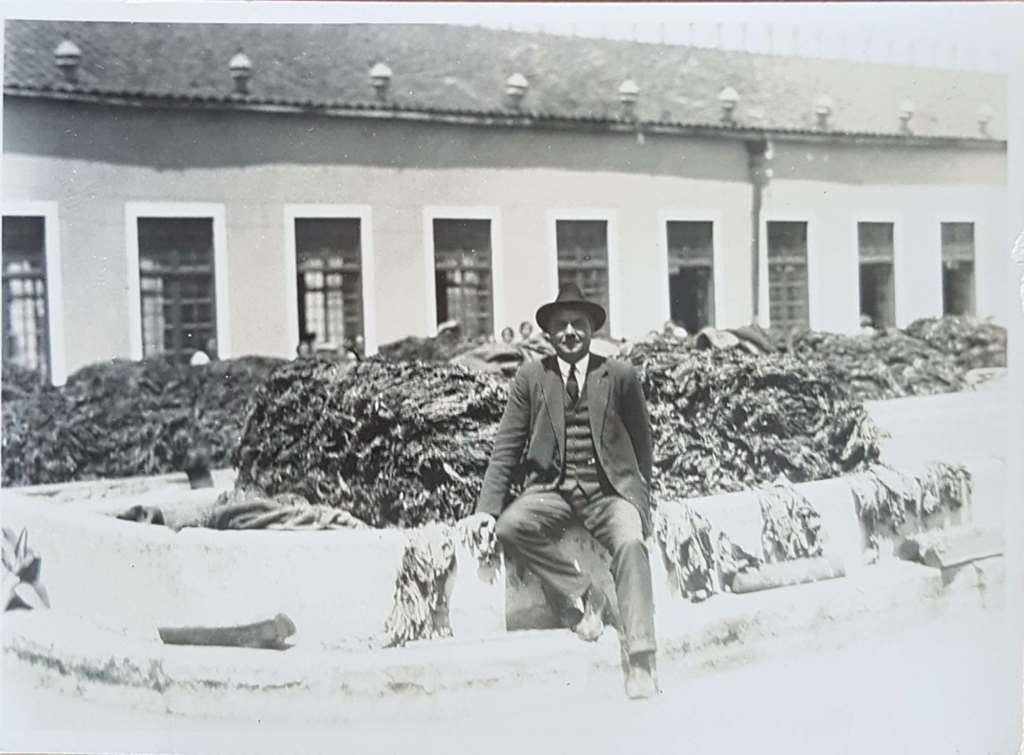
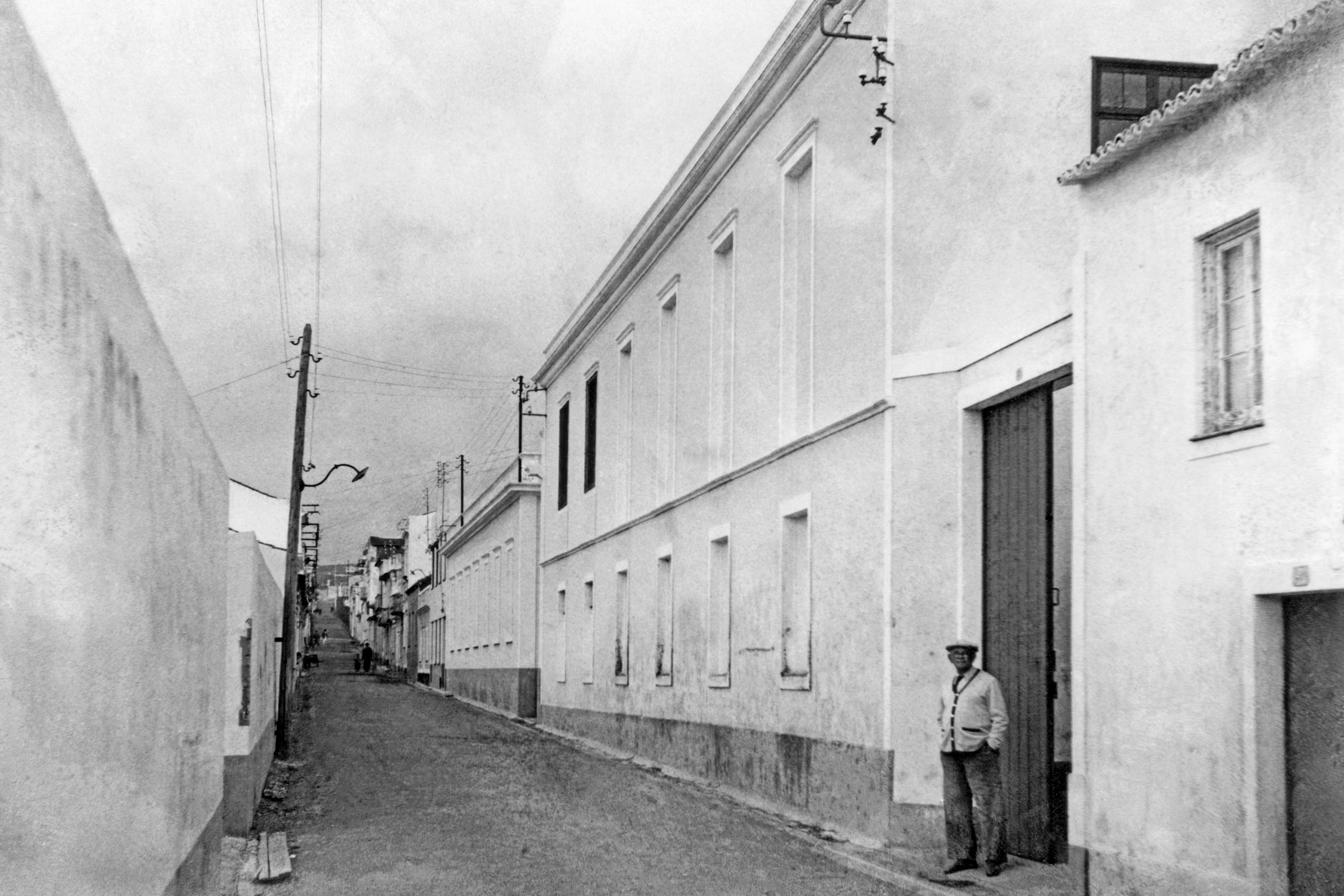
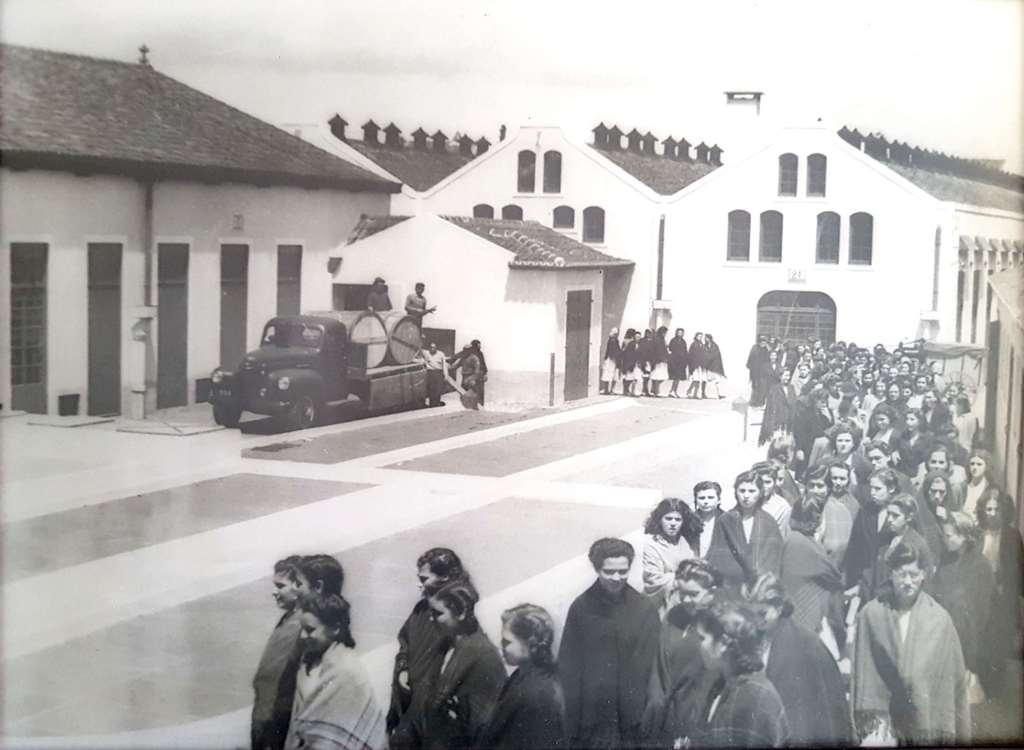
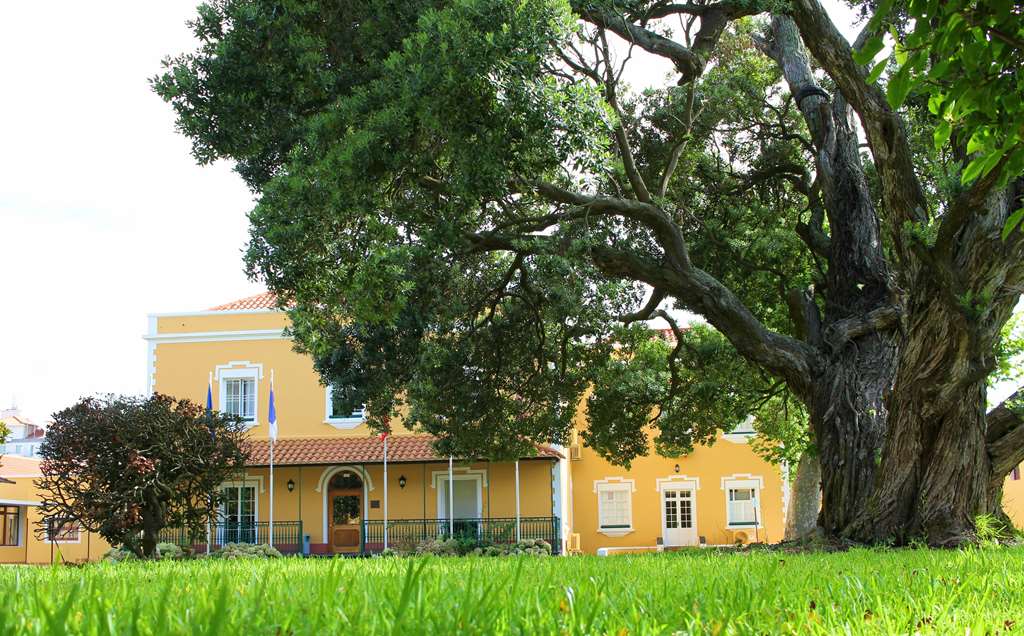
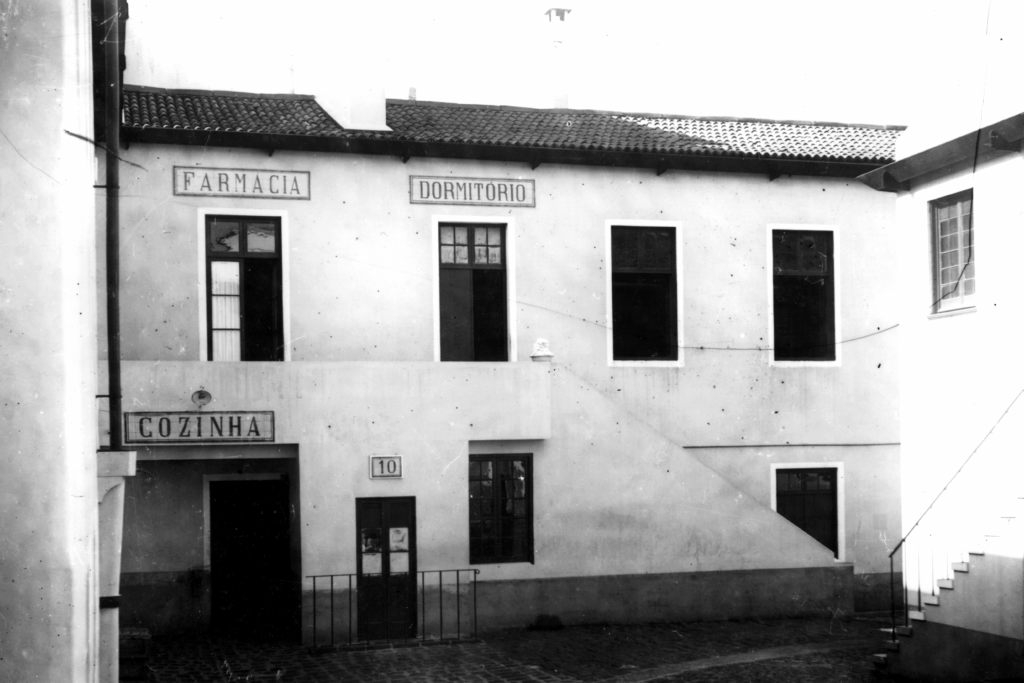
Housed in buildings of recognized historical value, the Fábrica de Tabaco Micaelense is an integral part of the island’s urban and industrial landscape, bearing witness to the history of labor and the evolution of manufacturing activity over the centuries. Its facilities reflect 19th-century industrial architecture, preserving elements that document different phases of its history and of the city in which it is located.
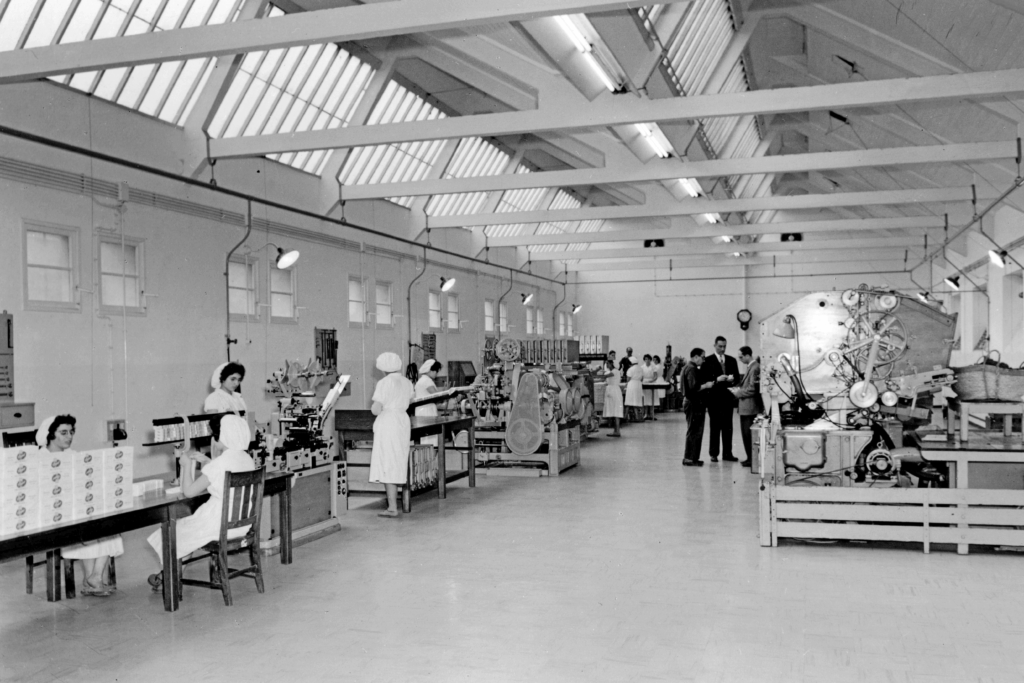
Throughout the late 19th and early 20th centuries, the Fábrica de Tabaco Micaelense played a central role in the local economy, generating employment and contributing to the development of specialized skills. Its activity endured through diverse historical contexts, adapting to economic, social, and technological transformations while maintaining a strong connection to its origins.
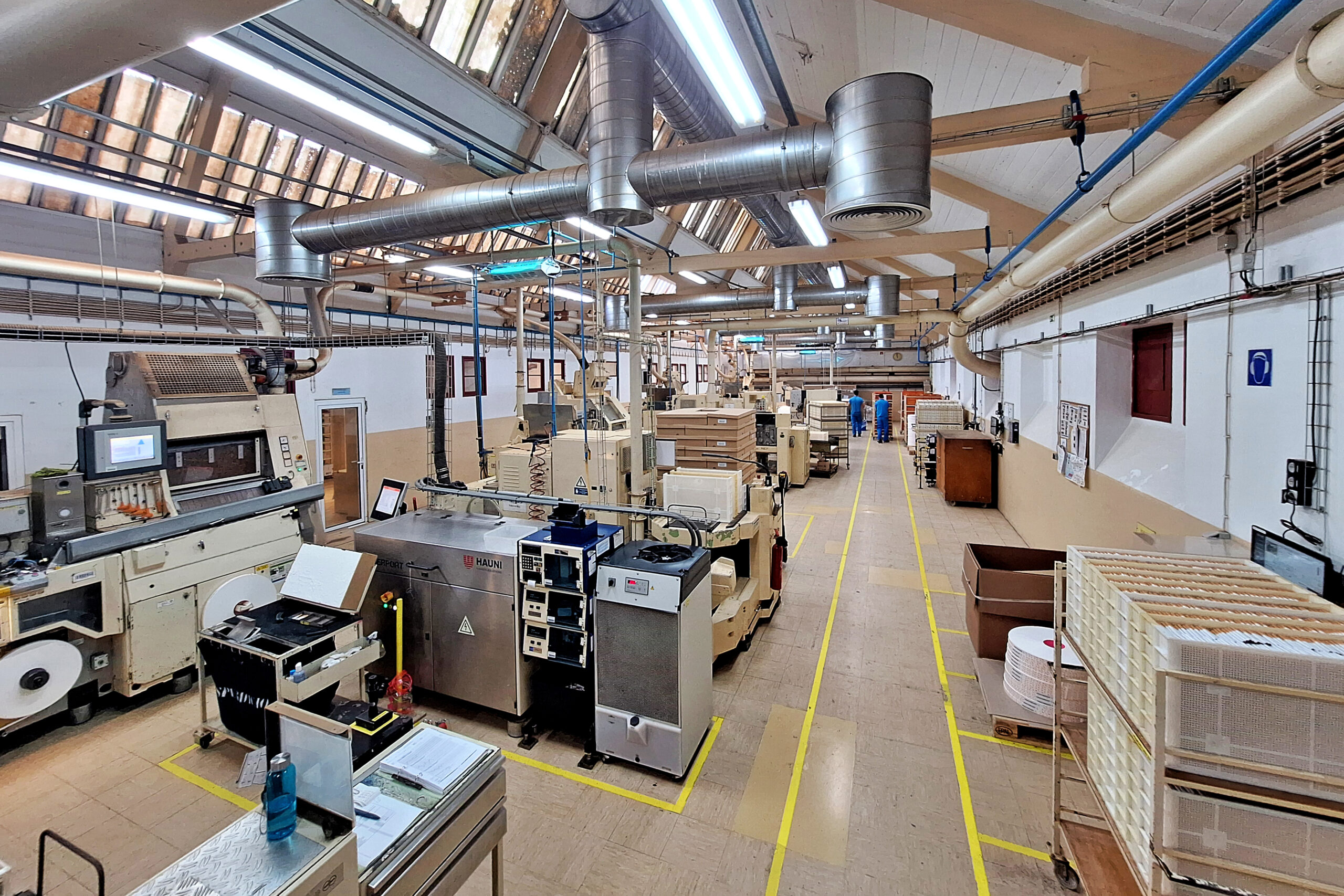
Even during periods of modernization, the company successfully balanced the preservation of its material and immaterial heritage with the gradual introduction of new practices and technologies. This sustained capacity for evolution has enabled the Fábrica de Tabaco Micaelense to remain active and relevant for more than 160 years.
Today, the Fábrica de Tabaco Micaelense presents itself as a guardian of a unique industrial legacy, honoring the past, valuing its historic buildings, and projecting the future with responsibility, quality, and deep respect for the Micaelense identity.
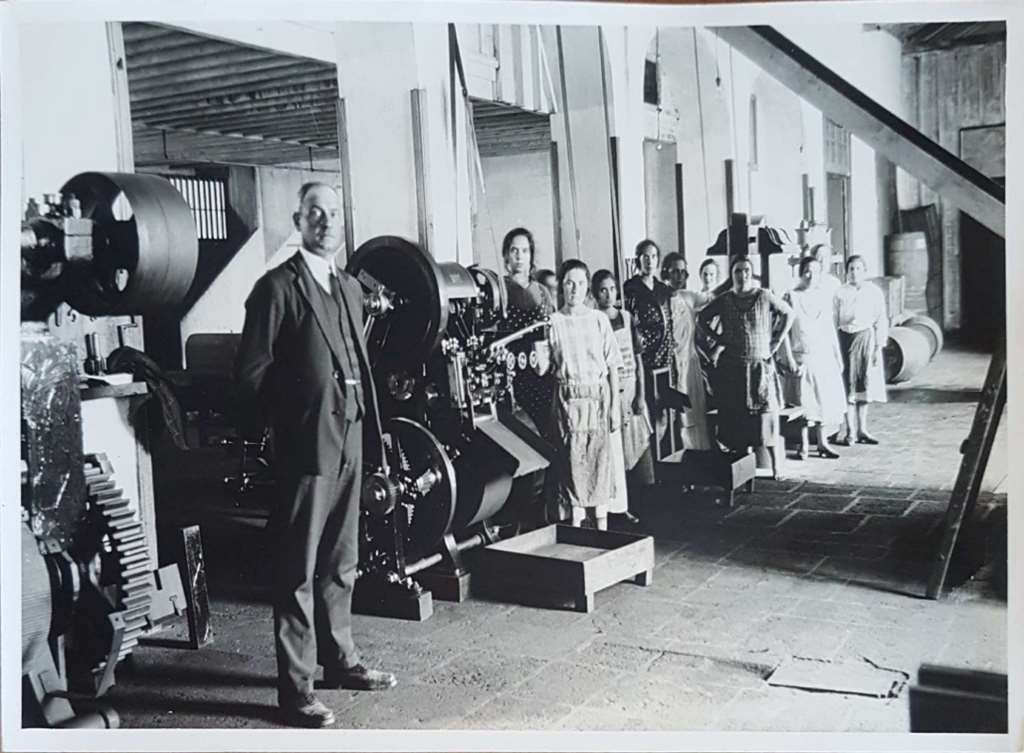
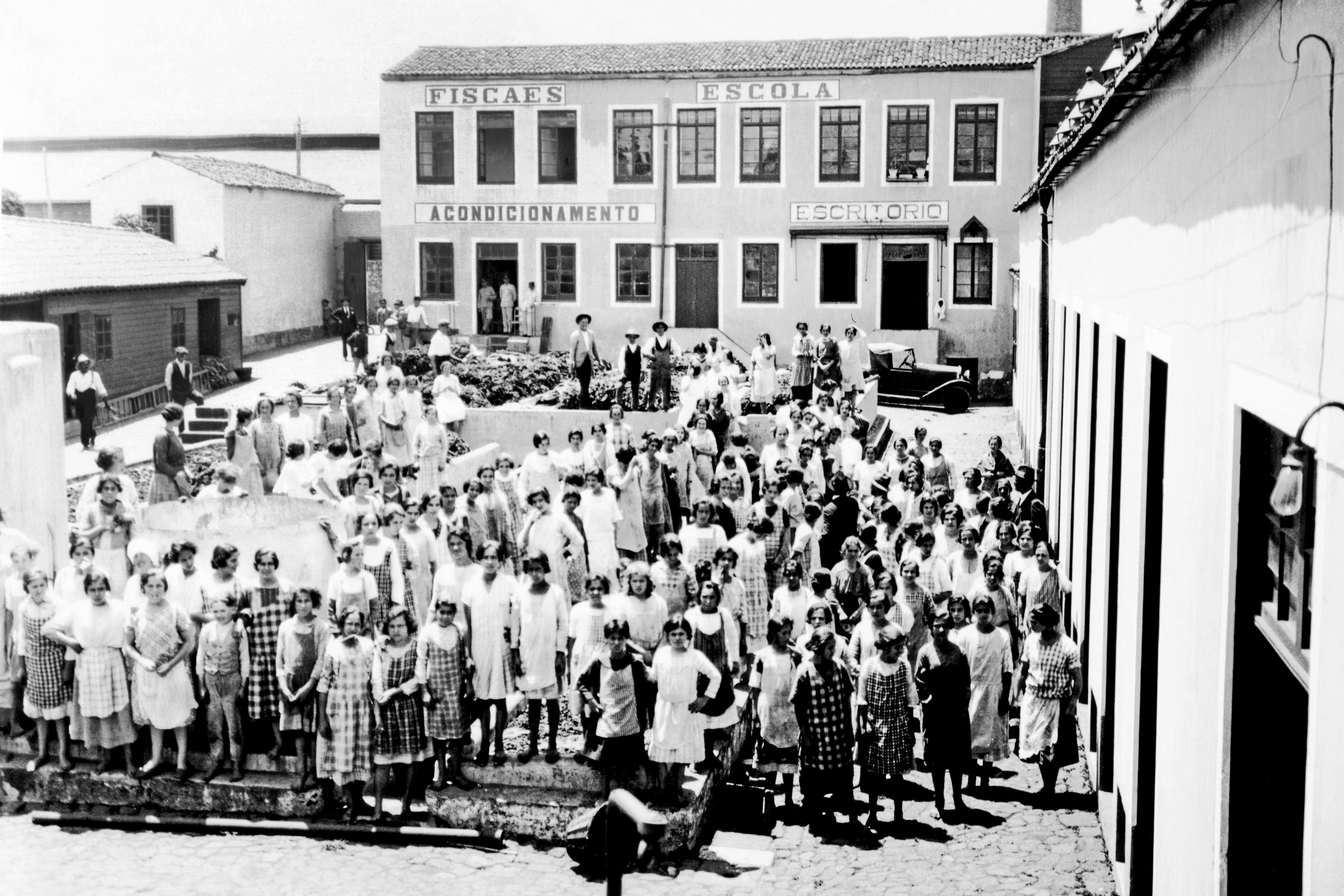
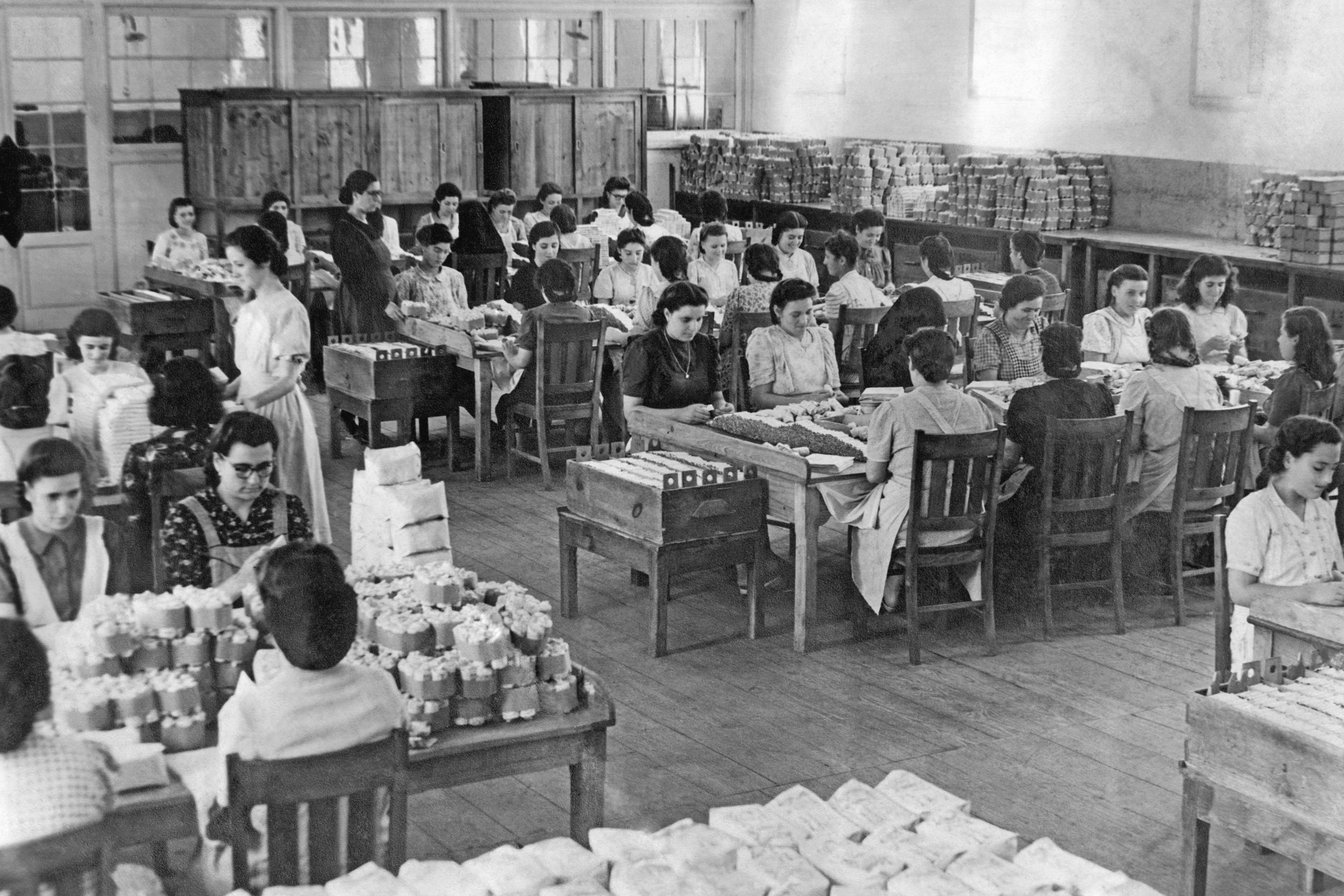
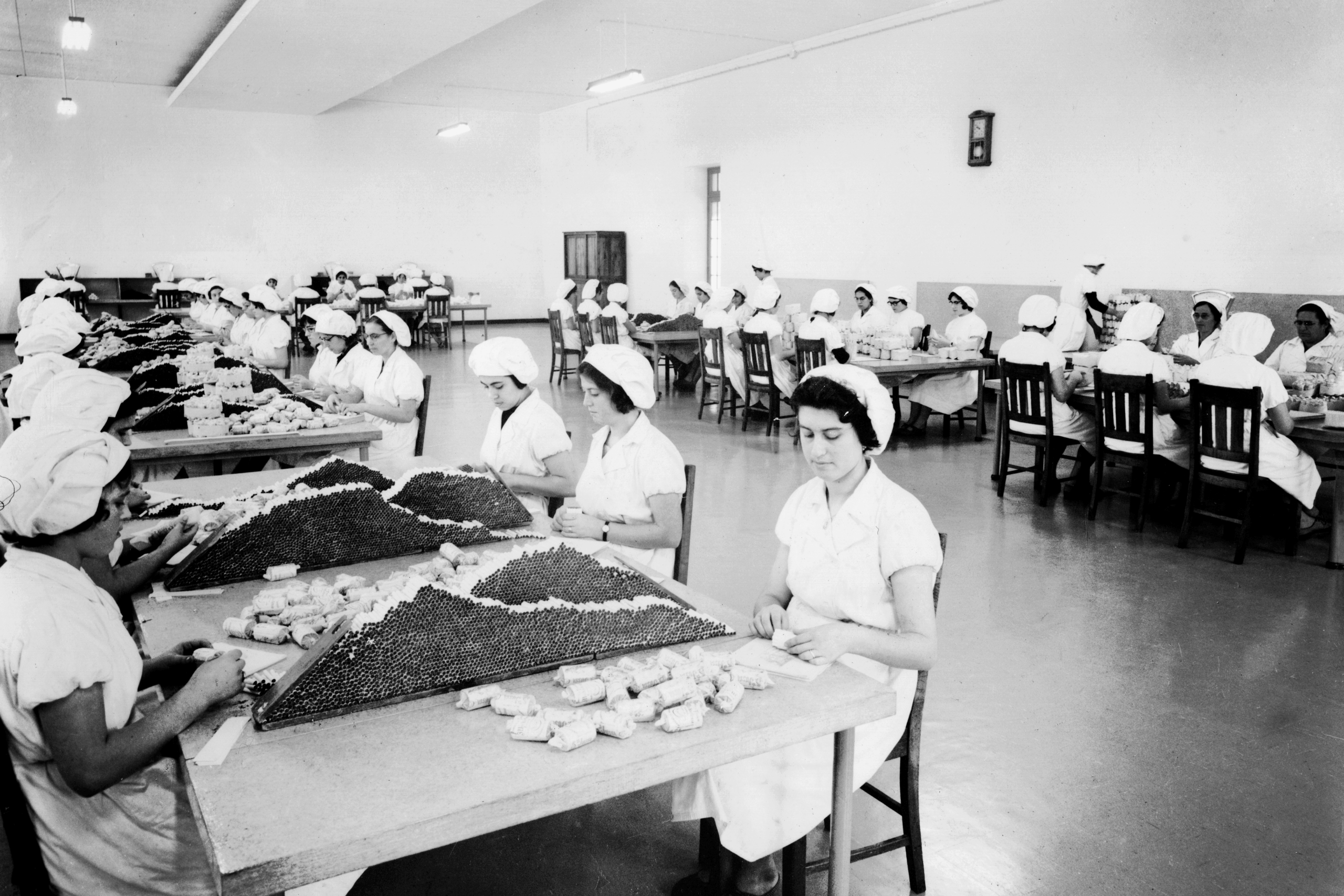

1825
First attempts at tobacco cultivation in S. Miguel by Judge Vicente José Ferreira Cardoso da Costa.
1864
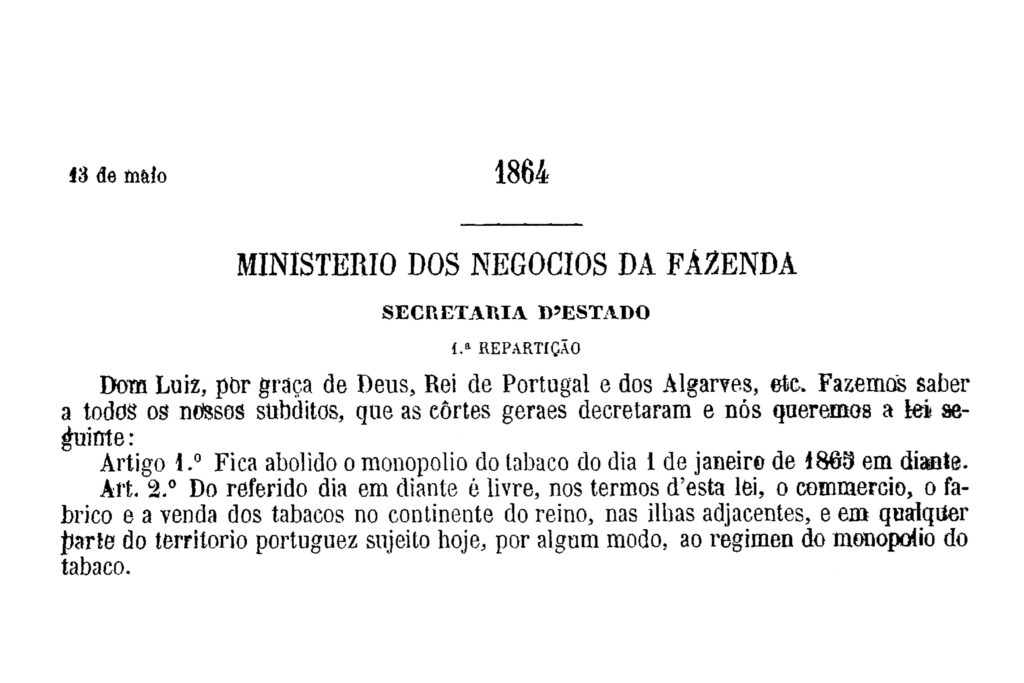
Enactment of the Royal Law of May 13, abolishing the tobacco monopoly as of January 1, 1865.
1866
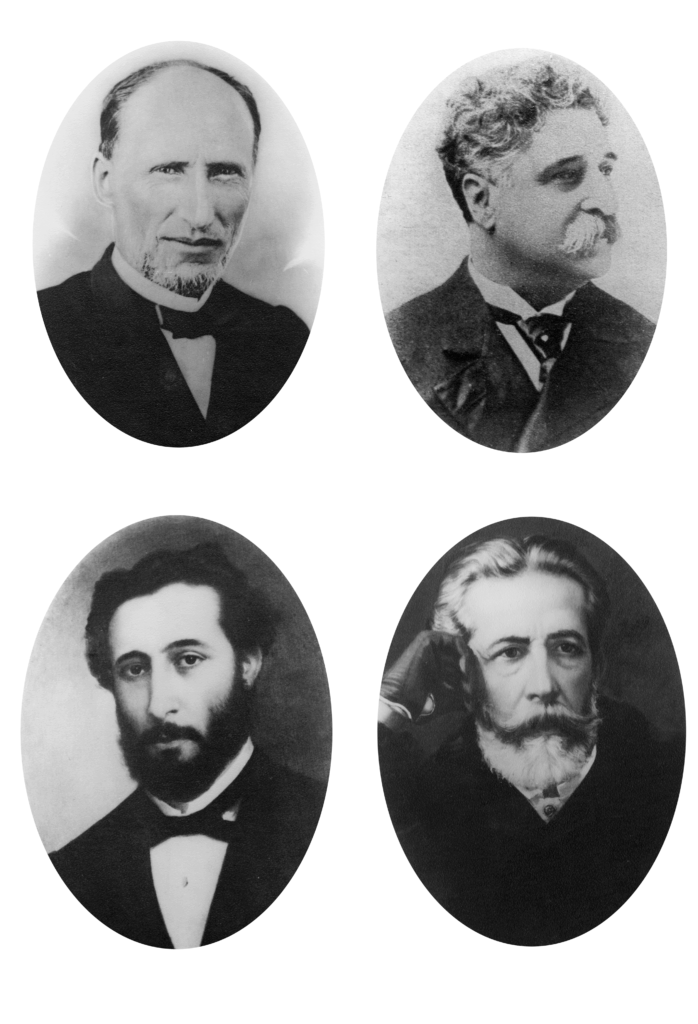
Foundation, on April 16, of the Fábrica de Tabaco Micaelense (Micaelense Tobacco Factory), with José Jácome Correia, Clemente Joaquim da Costa, Abraão Bensaúde, and José Bensaúde as partners. The company's first facilities were located on Rua da Trindade, now Rua Caetano de Andrade Albuquerque, in the city of Ponta Delgada.
1872
The company moves to its current location on Rua José Bensaúde, in the city of Ponta Delgada, where it remains today.
1895
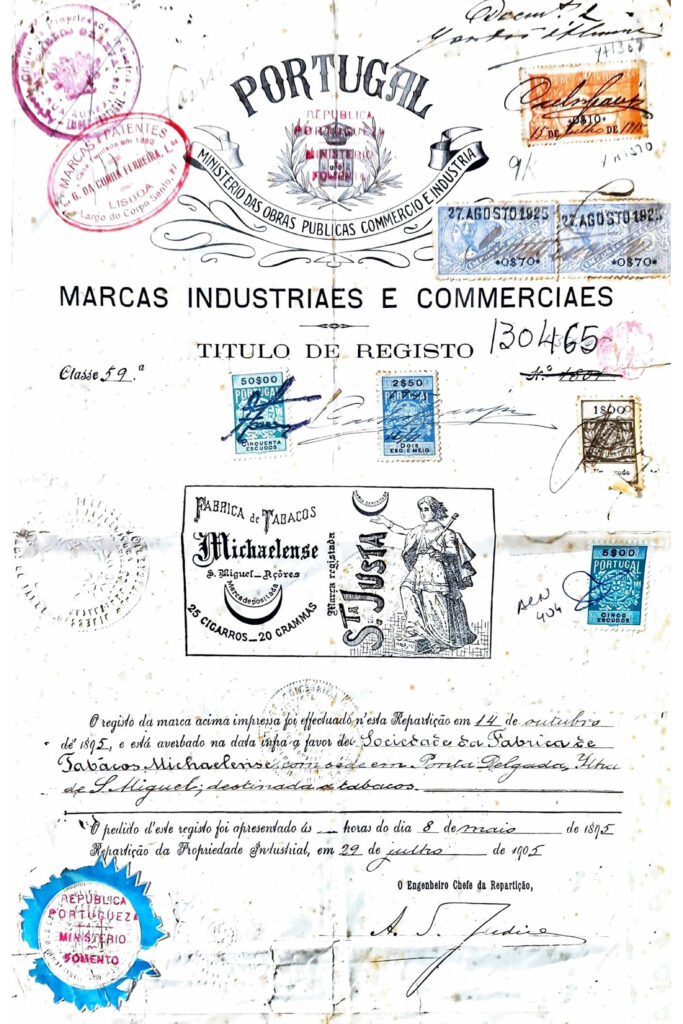
The company registers the “Santa Justa” brand, an iconic brand that it will produce for many years to come.
1906
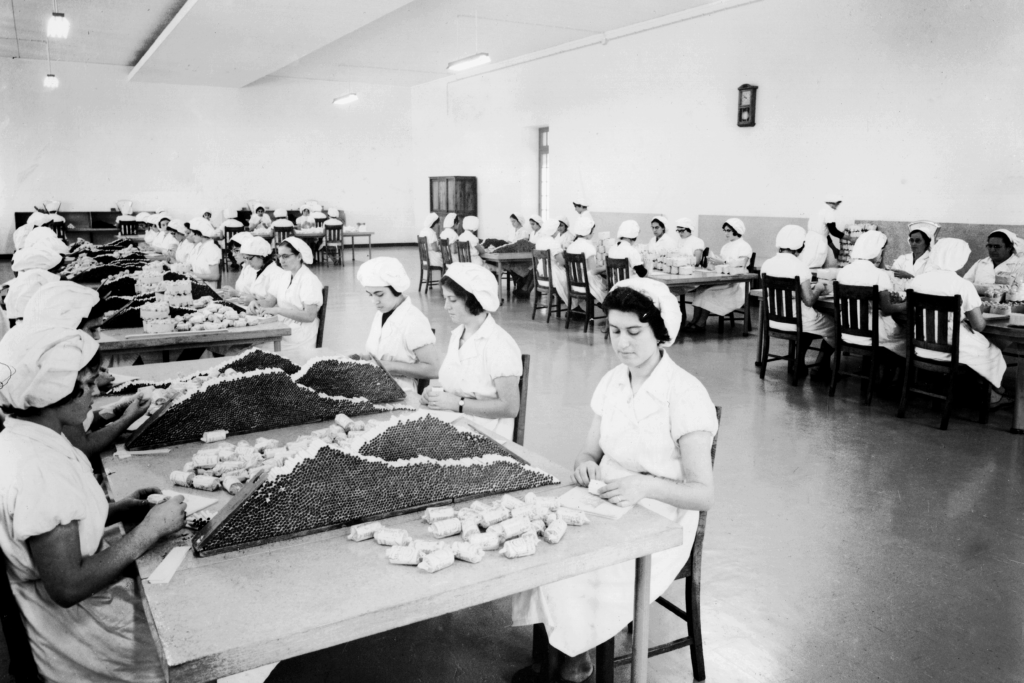
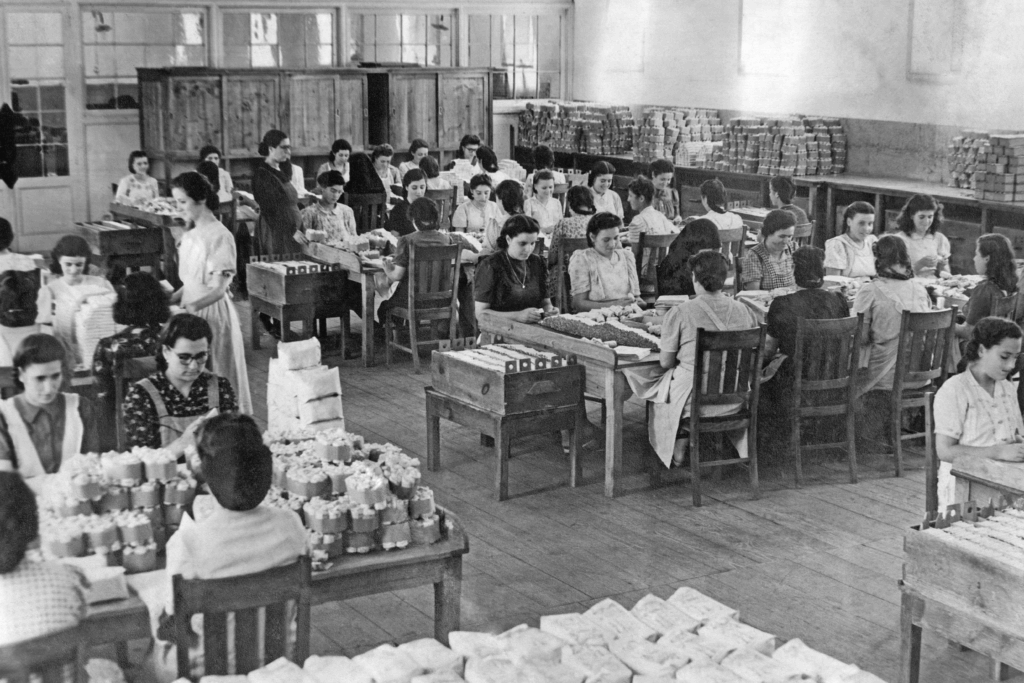
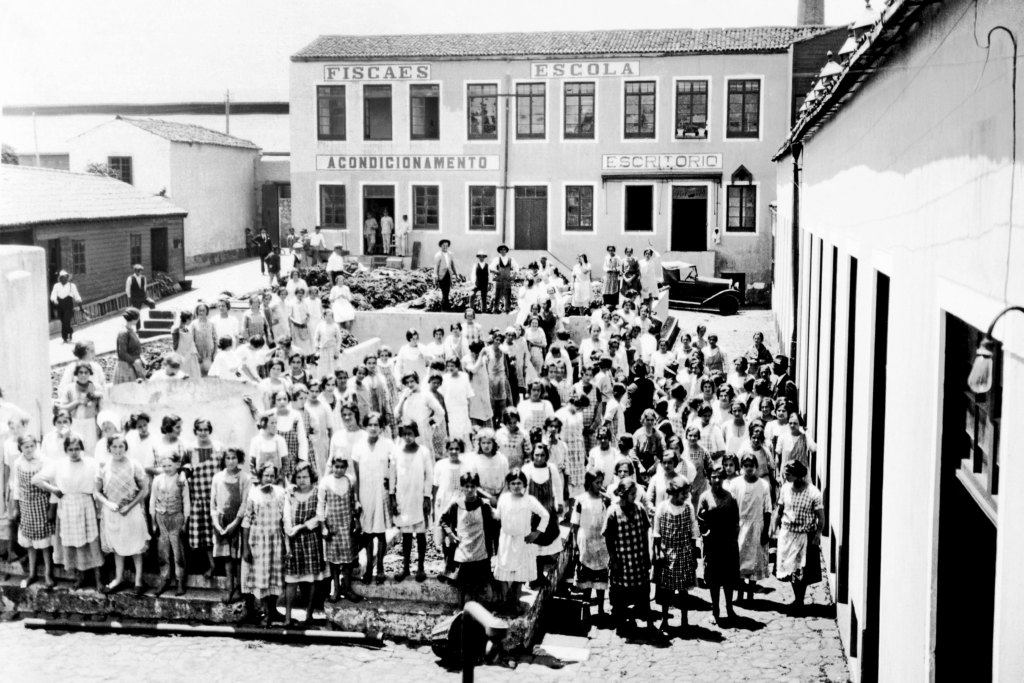
FTM employs 548 people, 540 of whom are female and 8 male.
1910-1945
1910 – End of the Monarchy
1914–1918 – World War I
1922 – José Bensaúde dies on October 20
1939–1945 – World War II
1950
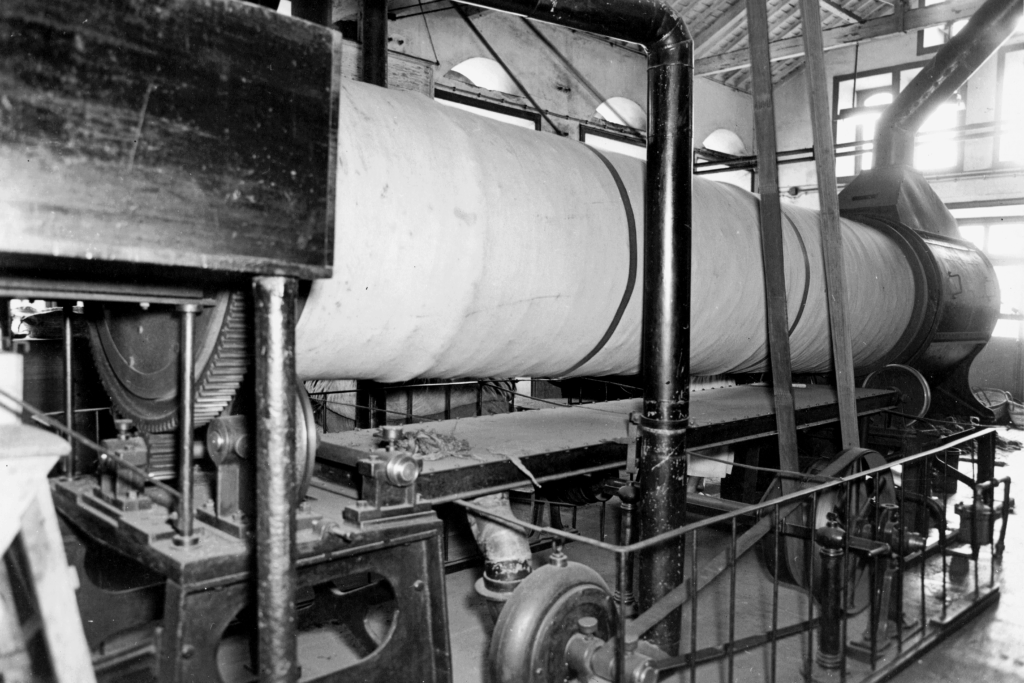
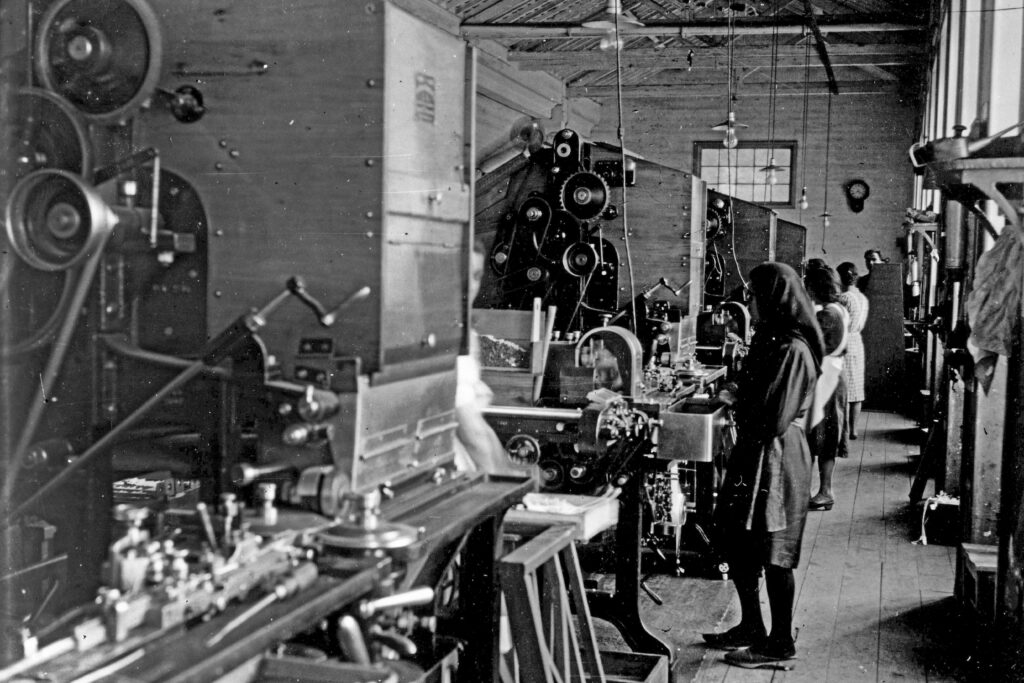
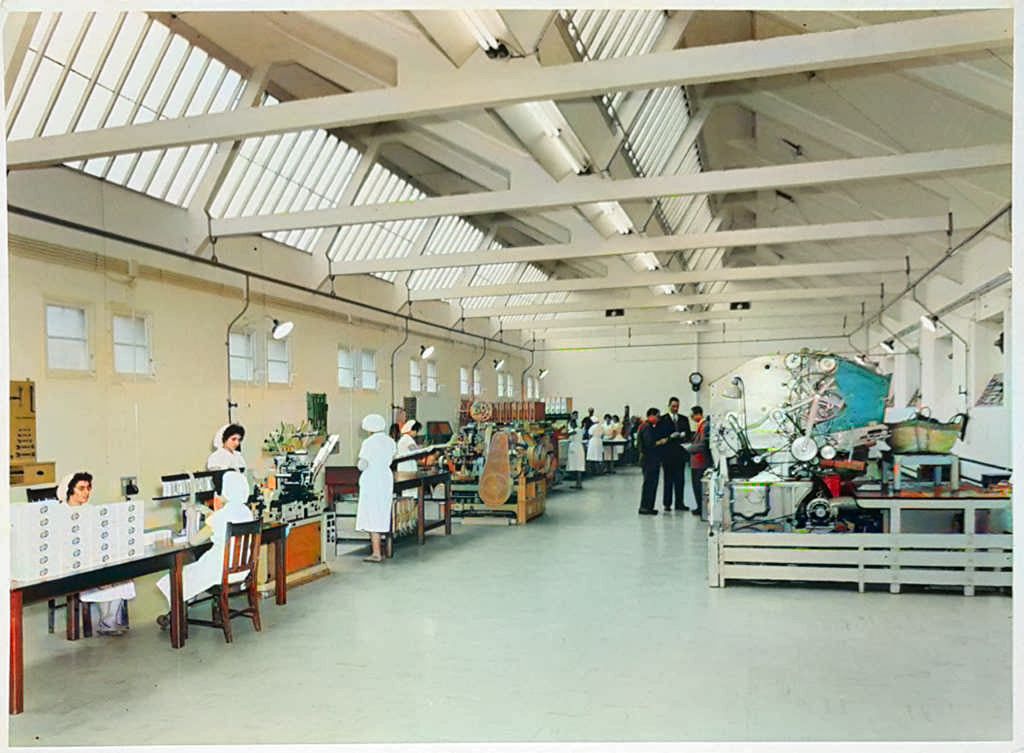
From the 1950s onwards, a widespread and open policy of modernization was developed, with investment in new machinery and the modernization of accounting, technical, and agricultural services.
1966
FTM reveals that it employs 2,564 people, including salaried employees, seasonal workers during harvest and drying, factory workers, office staff, and others.
1974
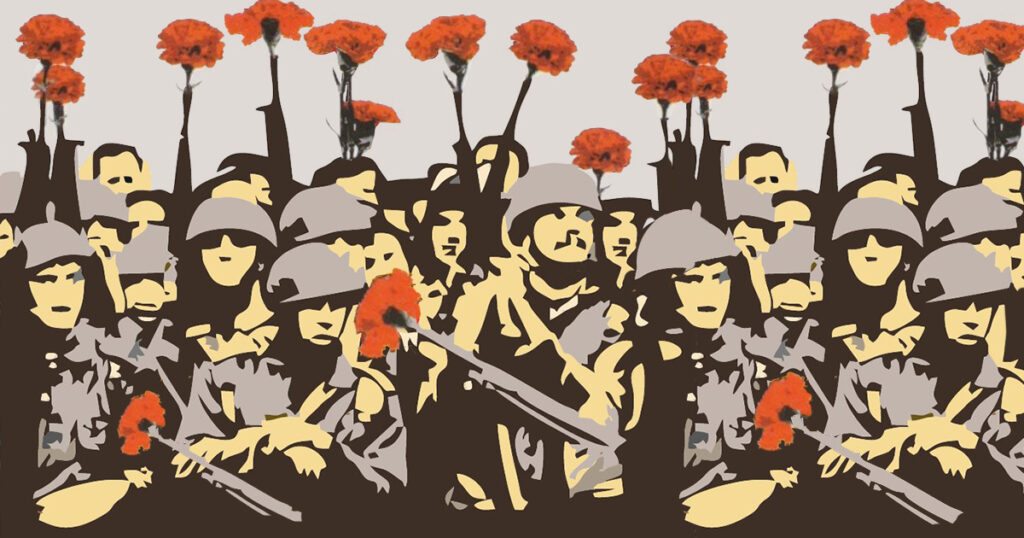
25 de Abril- Revolução dos Cravos
1975
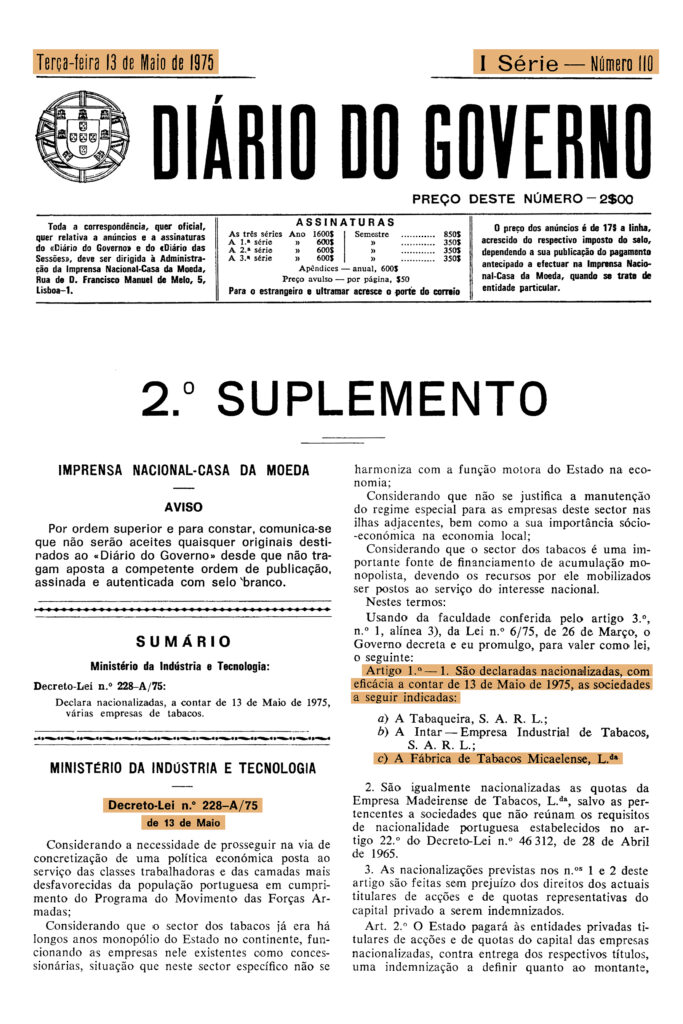
FTM is nationalized by Decree-Law No. 228-A/75 of May 13. The period during which the company is managed by the State is marked by numerous setbacks and problems, leading it to have to be capitalized several times.
1978
Entry into force, on September 29, of the first Collective Bargaining Agreement.
1981
FTM becomes a regional public company under Regional Regulatory Decree No. 29/81-A of May 5.
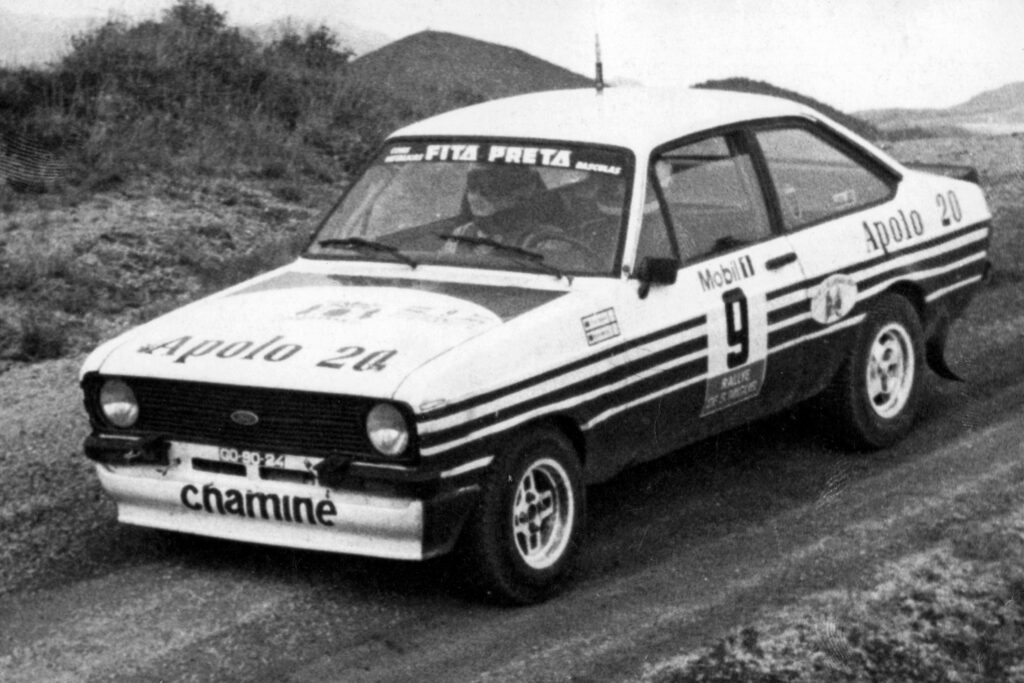
Team Apolo 20 is created, marking FTM's regular presence in motorsports in the following decades.
1986-87
1986 – Portugal joins the European Economic Community.

1987 – FTM acquires, in partnership, the Flor d’Angra (Terceira Island) and Tabaco da Maia tobacco factories.
1995
FTM was transformed into a public limited company by Decree-Law No. 90/95 of May 9, under the name “Fábrica de Tabaco Micaelense, S.A.” It was then reprivatized and became majority-owned by companies in the Tabaqueira group – Empresa Industrial de Tabacos, S.A., the largest national tobacco company, and partly by regional entrepreneurs (grouped together in the company SAMAL, which gave rise to the current SAI – Sociedade Atlântica de Investimentos), with the Region maintaining a minority stake with special rights (golden share) until 2008.
Edition of the book “A Fábrica de Tabaco Micaelense, 1866-1995”, by Professor Fátima Sequeira Dias.
1997
Privatization of Tabaqueira – Empresa Industrial de Tabacos, which is now 65% owned by Philip Morris, with FTM becoming part of this international group.
2000
FTM is handing over part of its historical document archive to the University of the Azores so that it can be preserved for future generations, allowing academics to consult a substantial part of the economic history of the Azores.
2001-4
2001 – The group of regional businessmen who partially owned FTM acquires the majority stake in the company from Philip Morris.
2002 – The euro enters circulation.
2004 – Introduction of new warning labels on cigarette packs.
2007-9
2007 – Law No. 37/2007, of August 14, approves standards for the protection of citizens from involuntary exposure to tobacco smoke.
2009 – Start of a business expansion strategy with the acquisition of Tabacom, a tobacco distribution company in Madeira.
2010-11
2010 – The last production of rapé takes place in May.
2011 – Publication of the book “Fábrica de Tabaco Micaelense – 145 anos, 1866-2011”, by Professor Fátima Sequeira Dias.
2012
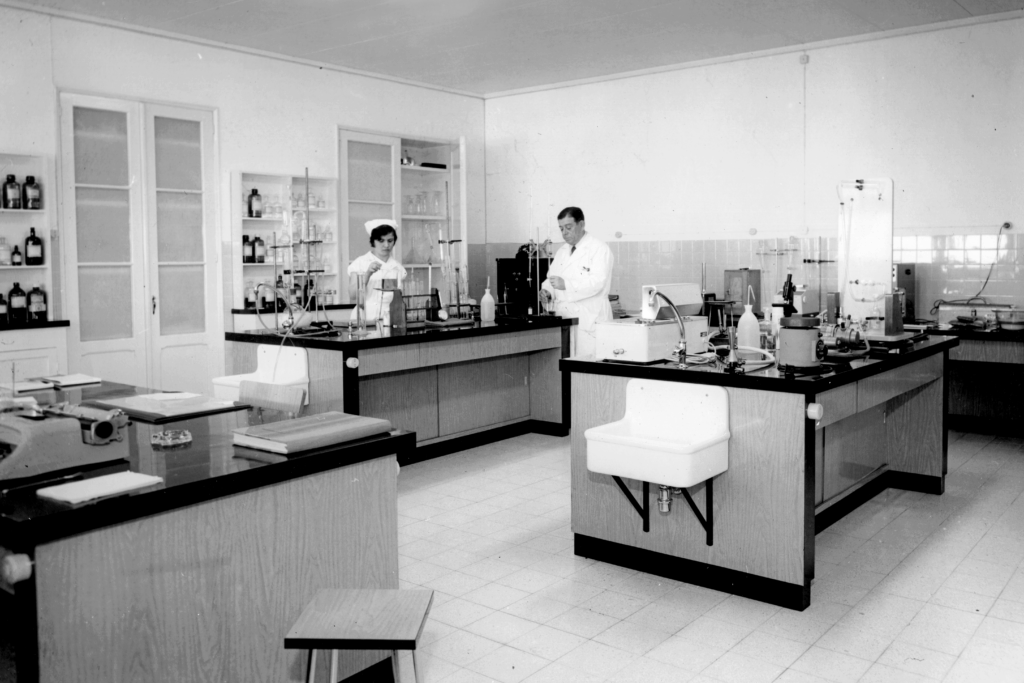
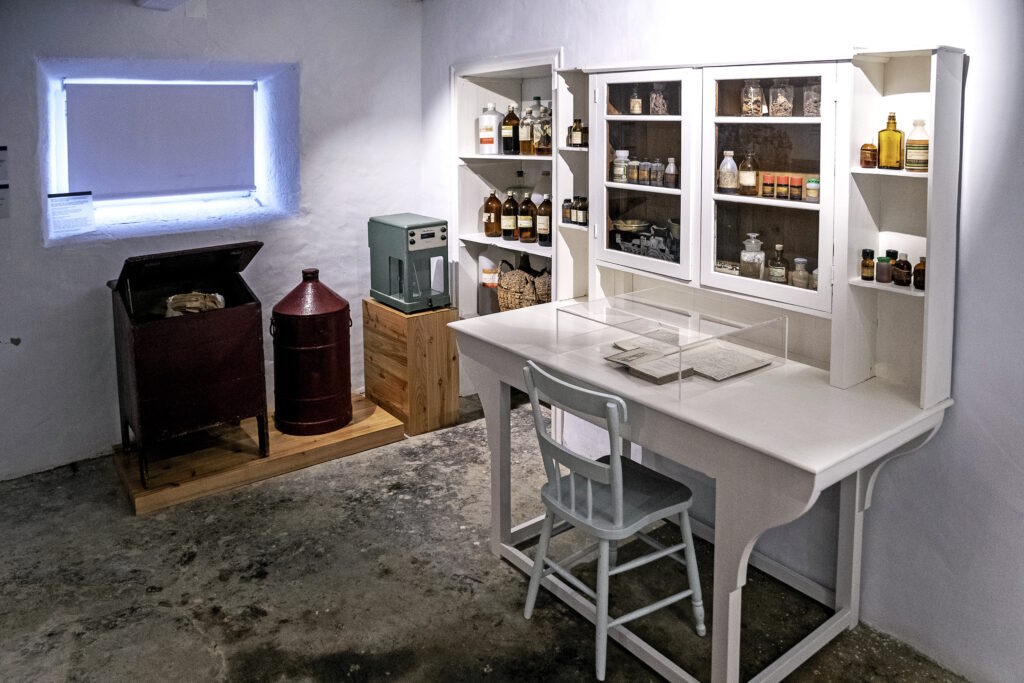
FTM donates a set of laboratory equipment of significant museum value to the Maia Tobacco Museum. This equipment was used in the company's laboratory until the early 1990s.
2016
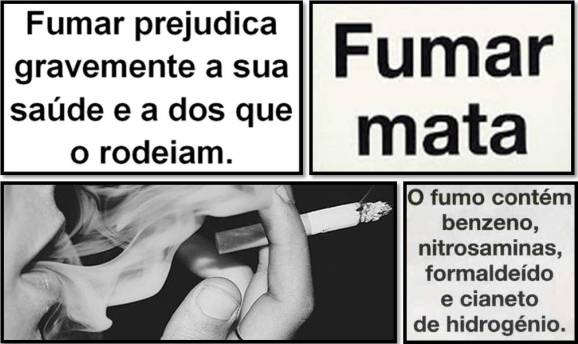
Strengthening of anti-smoking legislation requiring new warnings about the harmful effects of tobacco, including images, to be placed on cigarette packs.
2017-19
The acquisition of Azoriani, owner of a hotel in Ponta Delgada, and the start of the renovation and refurbishment of five houses to be converted into accommodation units – the Casas Amarelas – put FTM in the tourism business.
Process of acquiring the share capital of Carlos Soares de Mendonça, a tobacco distribution company on the island of São Miguel, which will expand its activities over the next three years to the islands of Terceira, Pico, and Faial.
2023
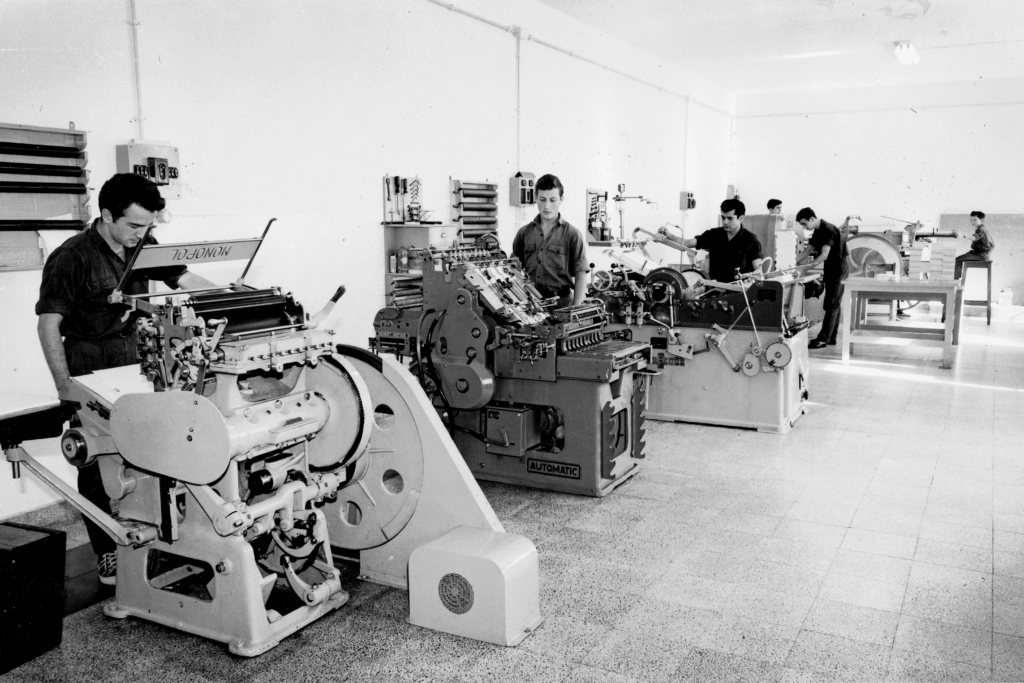
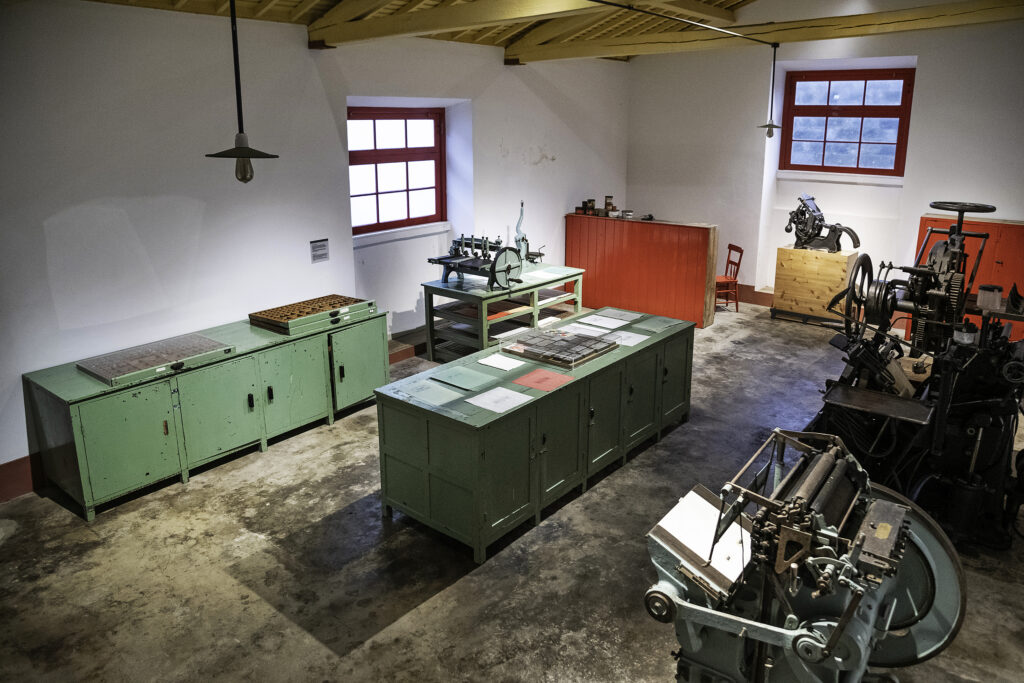
FTM deposits copies of its oldest photographic records and a significant collection of material, machinery, and typographic equipment, which had been used in its printing works until the early 1990s, at the Maia Tobacco Museum.
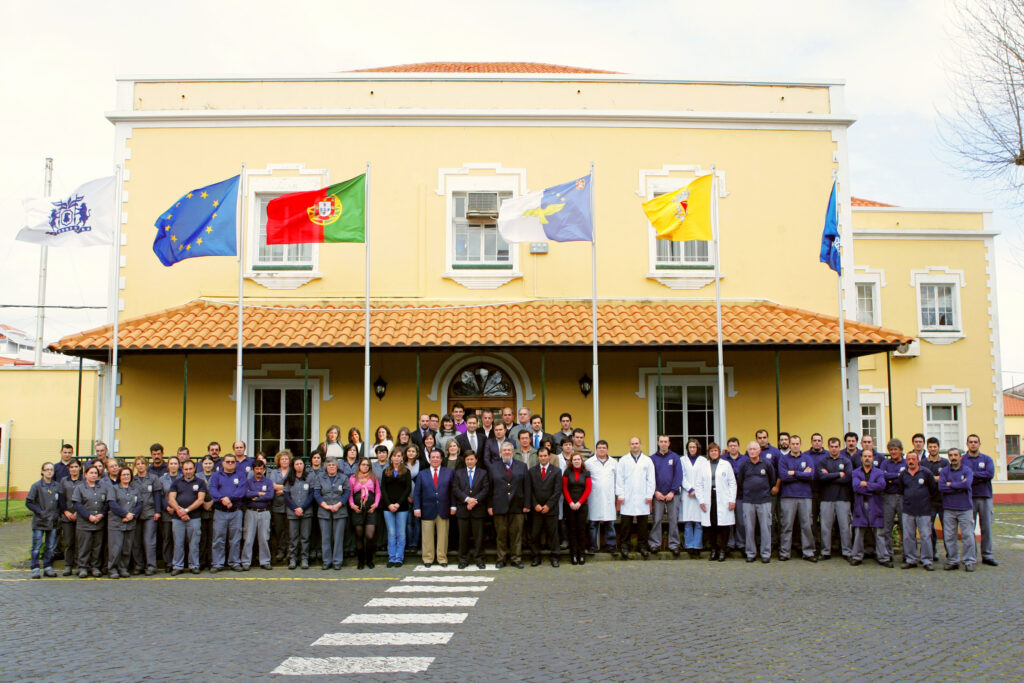
FTM employs 101 workers, of whom 54 are men and 47 are women. Its business group employs 142 people, with 2,076 people impacted by its activity.
2024
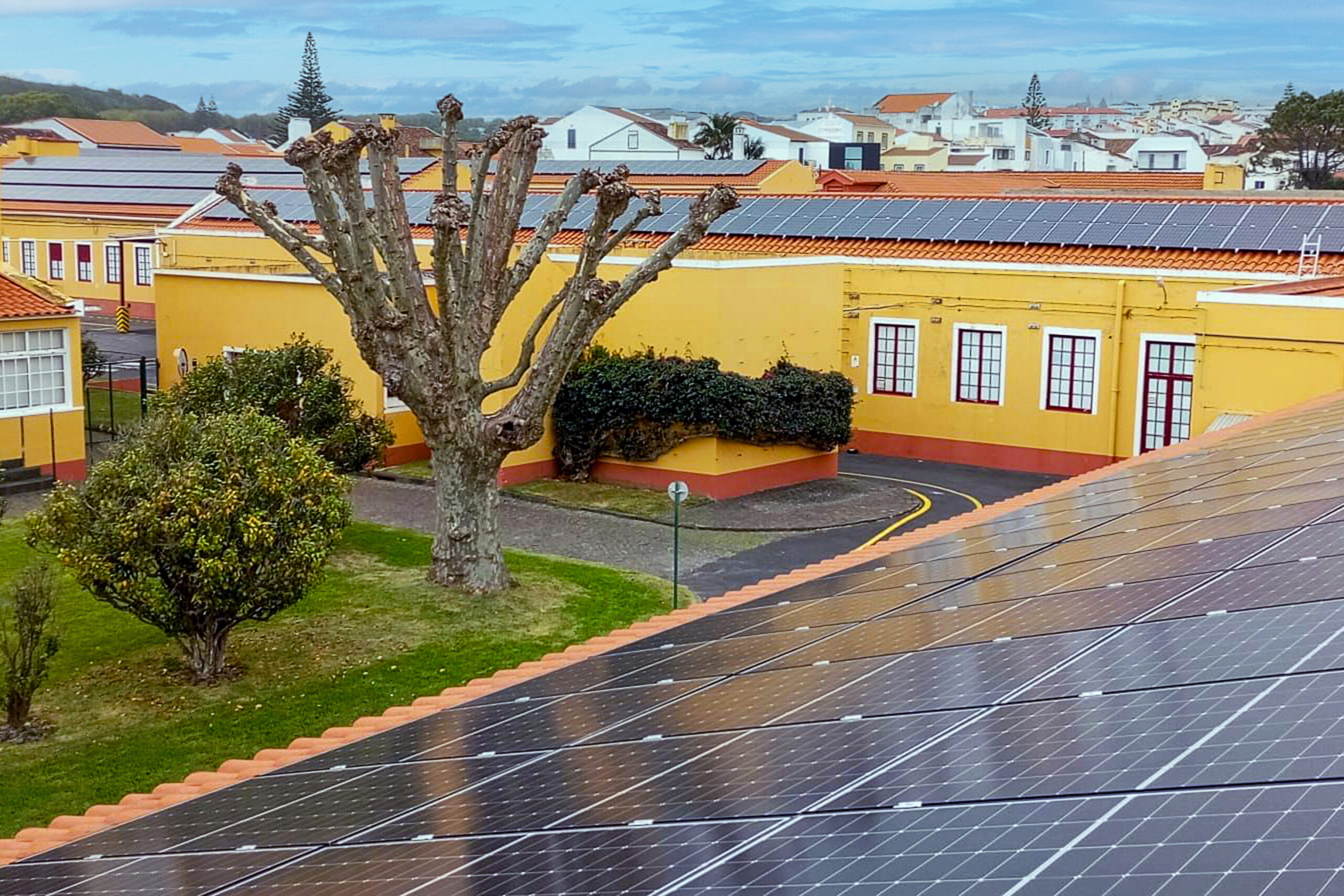
Installation of 525 solar panels reflecting FTM's commitment to energy savings and sustainability.